Download Product Ebook
 View all our solutions
 Sky-Walker Architecture
 View all our integrations
 Book Protocol workshop
 Our Company
 Contact Us
 View All Our Case Studies
 Become a PSIM Partner
 Become a Sky-Walker PSIM partner today!
 English
 Français
 Nederlands
Your Building Is Talking. Are You Listening?

What If Your Building Did the Work For You?
Every day, the buildings we work in generate thousands of data points. Temperature fluctuations, access attempts, energy spikes, motion patterns, fire sensor readings — it never stops. Yet in most buildings, that data sits in separate, disconnected systems that never speak to each other. The result? Facility managers are left reacting to problems instead of preventing them.
That is the core promise of the smart building: not just automation, but intelligence. A building that doesn't just respond to commands, but actively helps you make better decisions. And for facility managers across Belgium, the Netherlands, and the rest of Europe, the shift is already happening — faster than most people expect.
So what does it actually take to make a building truly smart? And what separates a building with modern devices from one that genuinely works for you?
What Makes a Building Truly "Smart"?
A lot of buildings today are marketed as smart. They have modern access control, an updated HVAC system, or LED lighting with app control. That is a good start — but it is not a smart building.
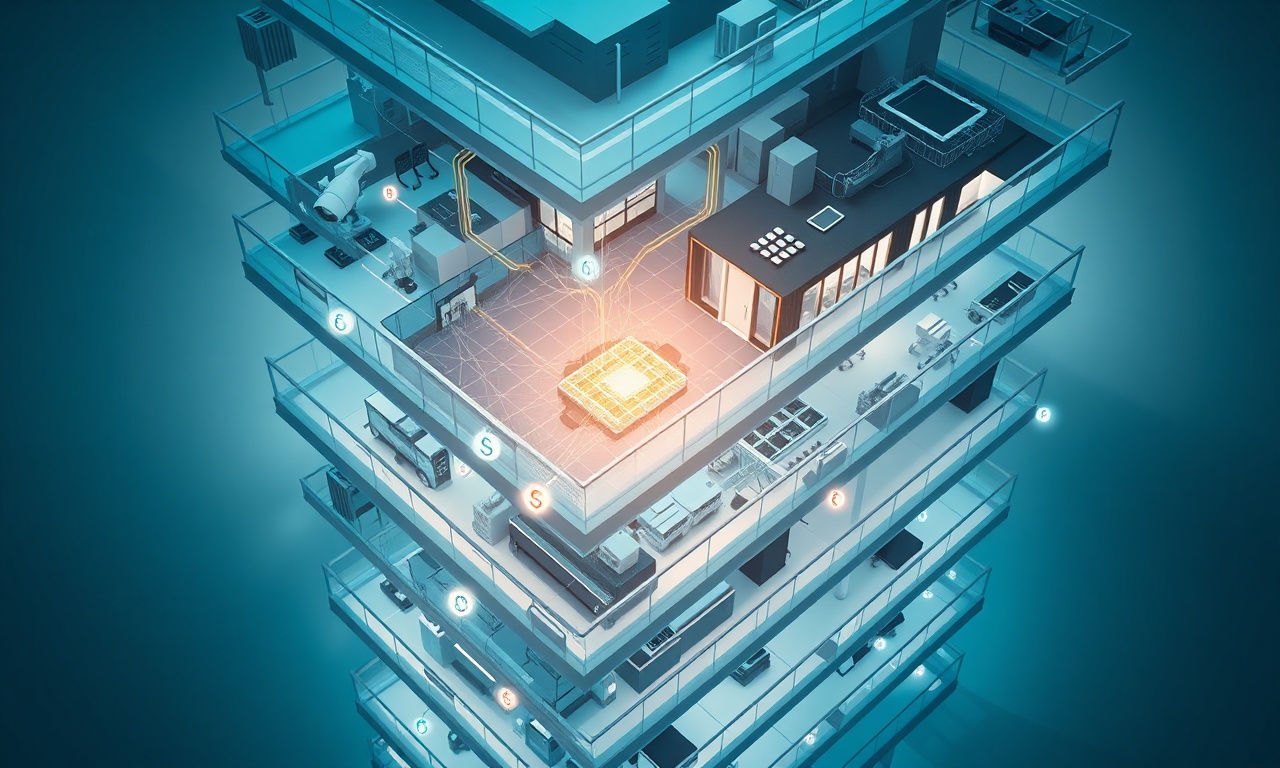
A truly smart building is one where all of those systems — security, safety, energy, climate, lighting — are connected and share information in real time. They stop operating in isolation and start working as a team.
Think of it this way: your fire detection system notices a heat spike in a server room. In a traditional building, that triggers an alarm and someone responds. In a smart building, the system simultaneously locks down access to the area, alerts the security team via the control room, adjusts the ventilation to contain the risk, and logs the full incident automatically. No manual coordination. No delays. No gaps.
That level of integration is what separates a building with smart devices from a genuinely smart building.

The Security Layer You Cannot Afford to Ignore
Security is often the first reason organisations explore smart building technology — and for good reason. Physical security threats are growing more sophisticated. Tailgating, credential sharing, after-hours intrusions — these are everyday risks for any facility manager responsible for a mid-sized or large building.
When your access control, CCTV, and intrusion detection systems operate in silos, blind spots are inevitable. An access event happens on the third floor but nobody connects it to the camera alert on the ground floor ten minutes earlier.
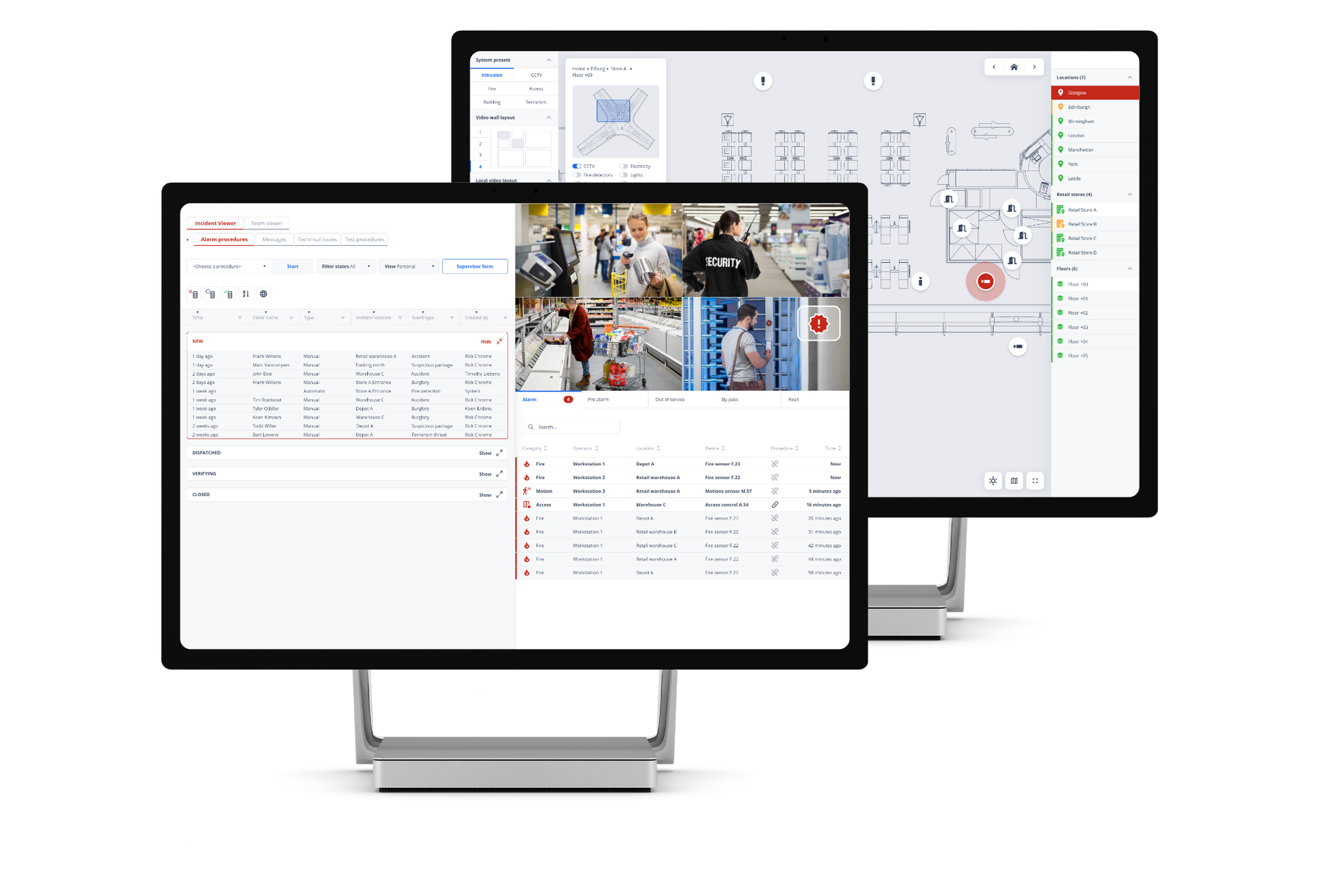
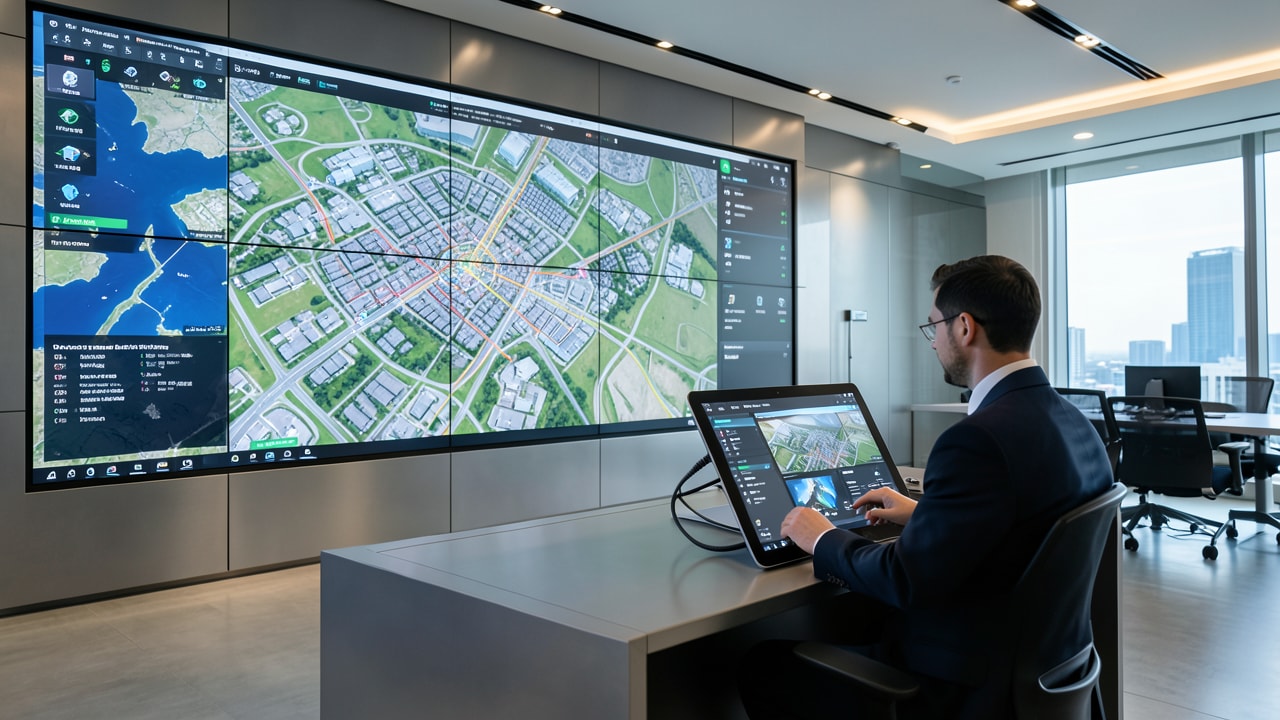
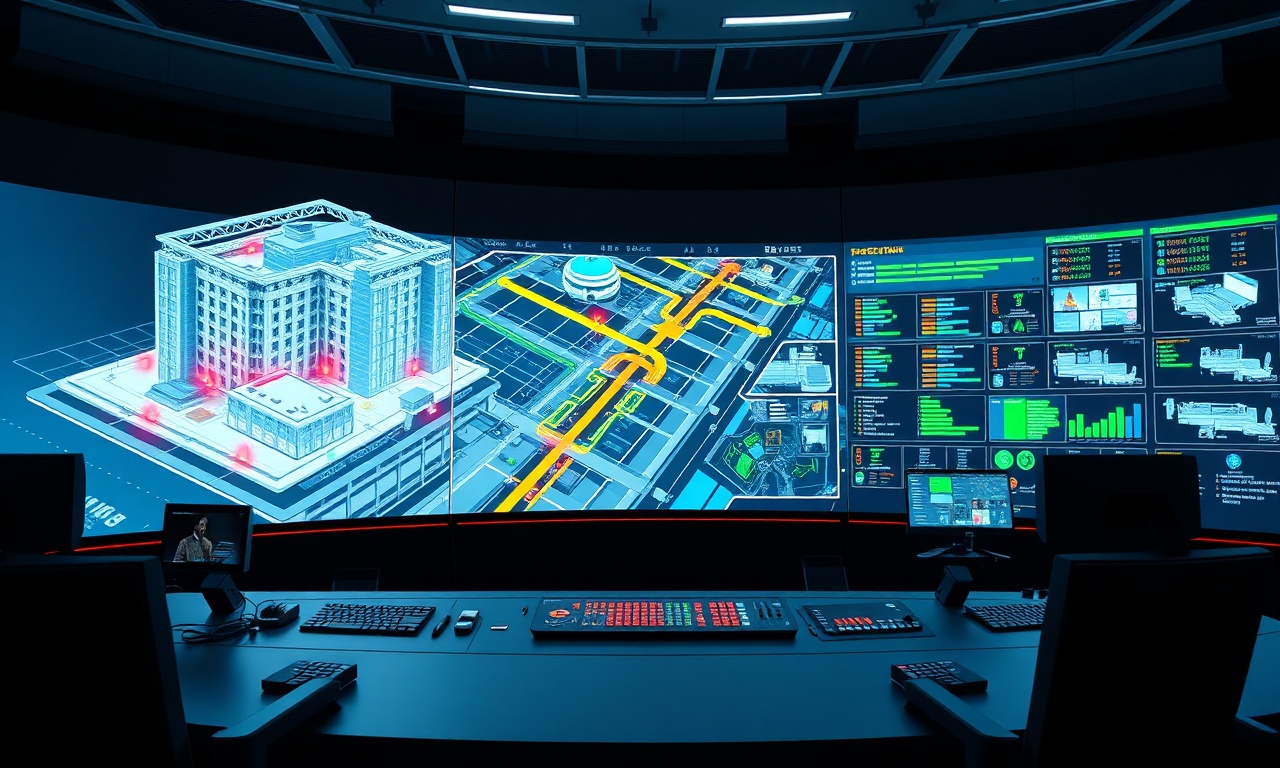
In a unified smart building platform, those dots connect automatically. The system flags the correlation and surfaces it to the operator before it becomes a serious incident. This is where a PSIM platform — Physical Security Information Management — plays a critical role. Rather than having your security team switch between five different interfaces, everything comes together in one unified view. Events are ranked by priority. Responses are guided by pre-set workflows. And every action is logged for compliance and reporting.
Real-World Scenario
An access attempt is made at a staff-only door outside of business hours. In a traditional building, an alarm sounds and someone investigates — ten minutes later. In a smart building, the platform instantly cross-references the access log with the nearest camera feed, sends a real-time alert with video confirmation to the on-call operator, and logs the full event automatically. The operator has everything they need in seconds, from one screen.
Energy Costs Are Rising. Smart Buildings Push Back.
Beyond security, energy efficiency is quickly becoming the number one driver for smart building investment. Energy costs have increased significantly across Europe over the past few years, and facility managers are under real pressure to reduce consumption without impacting occupant comfort or operations.
A smart building approaches energy differently. Instead of running HVAC and lighting on fixed schedules, the building responds to real occupancy data. If a meeting room is empty, the heating drops. If a floor is half-occupied on a Friday afternoon, the system adjusts automatically. Over the course of a year, those small adjustments add up to meaningful savings — often between 20 and 30 percent on energy costs for organisations that make the switch.
When energy management is integrated with your security and building management platform, you also gain full visibility into consumption patterns. You can spot anomalies, identify inefficiencies, and make data-driven decisions about where to invest next. For building managers across the EU, this also ties directly into compliance with the Energy Performance of Buildings Directive — a smart building doesn't just save money, it keeps you ahead of regulation.
Occupant Comfort Improves — and So Does Productivity
Nobody does their best work in a room that's too hot, too cold, too loud, or too dark. And yet, in most commercial buildings across Europe, those conditions persist because no one has the time or the tools to address them in real time.
A smart building changes this by making the environment responsive. Occupancy sensors detect how many people are in a space and adjust ventilation accordingly. Lighting adapts to natural light levels throughout the day. Meeting rooms pre-condition themselves before a booking starts.
The result isn't just happier occupants — it's measurable productivity gains. Research consistently shows that better air quality, lighting, and thermal comfort have a direct impact on cognitive performance. In a competitive talent market, the quality of your workplace environment matters more than ever. For property owners and developers, smart building features are increasingly a differentiating factor in attracting and retaining tenants. A smart building isn't just a better place to work — it's a more valuable asset.
Facility Management Becomes Data-Driven
Here's an uncomfortable truth: most buildings are managed based on routine and habit, not data. Maintenance is scheduled by the calendar, not by actual wear. Cleaning happens on fixed rotations regardless of traffic. Energy is monitored monthly, not in real time.
A smart building breaks this pattern. When systems are integrated and centralized, you get a continuous stream of operational data — occupancy patterns, energy consumption by zone, equipment performance trends, incident history, access logs — all in one place.
That data makes everything sharper:
- Predictive maintenance replaces reactive repairs — equipment issues surface before they become failures
- Cleaning and facility teams are deployed based on actual usage, not guesswork
- Reports for compliance, sustainability targets, and insurance are generated automatically
- Operational decisions are backed by evidence, not intuition
For multi-site organizations — logistics operators, retailers, healthcare institutions, educational campuses — this data-driven approach is especially powerful. With a unified platform, you can benchmark performance across sites, identify outliers, and deploy best practices at scale.

Conclusion
A smart building isn't about adding complexity — it's about removing it. When your fire detection, access control, CCTV, HVAC, lighting, and energy systems all speak the same language and report to the same platform, your operations become simpler, faster, and more effective.
The benefits aren't theoretical. They're happening right now in buildings across Europe — in office towers, logistics hubs, hospitals, universities, and retail chains — where integrated platforms are delivering measurable results every single day.
The real question isn't whether smart building technology works. It's whether you can afford to keep running your building the old way — with siloed systems, manual coordination, and reactive management — when a better option already exists.
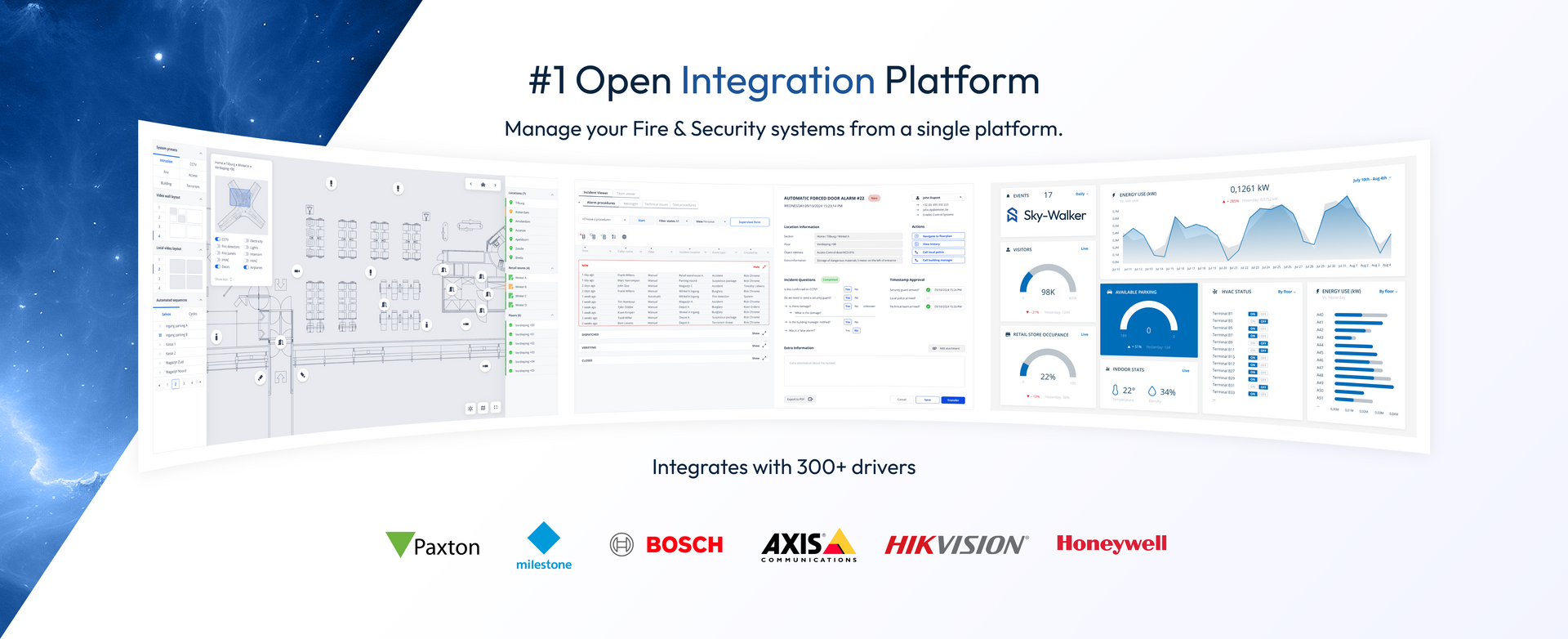
Sky-Walker by Entelec is the PSIM platform that brings all your building systems together in one unified interface. Whether you're managing a single site or a portfolio of buildings across Europe, Sky-Walker gives you the visibility, control, and automation to run a smarter operation.
Want to see Sky-Walker in action?
Other blog posts



From Detection to Resolution: How Integrated Incident Management Platforms Elevate Security Response