Download Product Ebook
 View all our solutions
 Sky-Walker Architecture
 View all our integrations
 Book Protocol workshop
 Our Company
 Contact Us
 View All Our Case Studies
 Become a PSIM Partner
 Become a Sky-Walker PSIM partner today!
 English
 Français
 Nederlands
Sky-Walker: How the Right Data Drives Confident Decisions in Logistic

When the Right Data Drives the Right Decisions in Logistics
In logistics, decisions are only as good as the data that informs them. Speed, efficiency, and reliability all depend on visibility across the supply chain. When that visibility is incomplete or misaligned with operational reality, even the largest and most experienced logistics organizations can face costly setbacks.
A striking example is the failed rollout of a global IT transformation by
DHL, which ultimately resulted in a write-off of hundreds of millions of euros. This was not caused by infrastructure failure, market conditions, or workforce issues, but by how data was structured, interpreted, and operationalized.
When Data Transformation Misses Operational Reality
DHL introduced the New Forwarding Environment (NFE), a centralized IT system designed to modernize and standardize logistics processes across its global freight forwarding operations. The ambition was clear: to improve shipment visibility, enable standardized processes, support better operational decision-making, and reduce complexity across regions. On paper, it aligned perfectly with the broader industry trend of leveraging data to drive logistics efficiency.
However, the rollout quickly revealed major challenges. While technically sound, the system failed to fully account for the operational diversity of DHL’s global network. Regional workflows, routing practices, warehouse processes, and customer delivery requirements were not fully reflected in the standardized data model. As a result, operational efficiency did not improve as expected, and in some regions, processes became more difficult to manage. Complexity increased, and the anticipated performance gains failed to materialize. Ultimately, DHL discontinued parts of the rollout and recorded a financial write-off of approximately €345 million.
The failure was not a problem with technology itself. It was a failure to translate data into actionable operational insight.
What Went Wrong
The NFE system relied on a centralized logic that assumed global consistency across operations. Logistics, however, is inherently variable. It is influenced by regional infrastructure, local regulations, customer requirements, warehouse capacities, and transport network nuances. When systems rely on generalized or incomplete operational data, they risk optimizing for theoretical efficiency rather than real-world execution.
In DHL’s case, the data model supported standardization, but it did not support real-time decision-making across a complex, distributed network. The lesson is clear: having data is not the same as having the right data, and visibility is not the same as actionable insight. Without accurate, contextualized data, even the most advanced systems can produce decisions that look correct on a dashboard but fail in practice.
Why Data Is the Backbone of Modern Logistics
In today’s logistics environment, volatility and complexity are the norm. Network disruptions, fluctuating demand, and operational constraints require constant adjustment. Decisions must be made across multiple layers, from route planning and warehouse flow to carrier allocation, inventory positioning, and delivery timing.
Without reliable, contextualized data, planning becomes reactive, execution becomes inefficient, and cost control becomes challenging. Data is the bridge between strategy and execution; it enables logistics teams to align operational reality with strategic intent. But when data is siloed, delayed, or incomplete, organizations risk making costly decisions based on outdated or inaccurate information.

From Data to Decisions
The challenge for logistics professionals today is not simply access to data. Most companies already collect enormous volumes of information from transport systems, warehouse management tools, and reporting platforms. The challenge is making that data usable. Fragmented or inconsistent data creates delays, misaligned planning, and missed opportunities for optimization.
The real value lies in transforming raw information into insights that can guide decision-making. This requires consolidating data from multiple sources, ensuring accuracy and consistency, and providing visibility into the operational realities of the business. Only then can organizations make decisions that are informed, timely, and aligned with the realities of the supply chain.
How Sky-Walker Supports Data-Driven Logistics
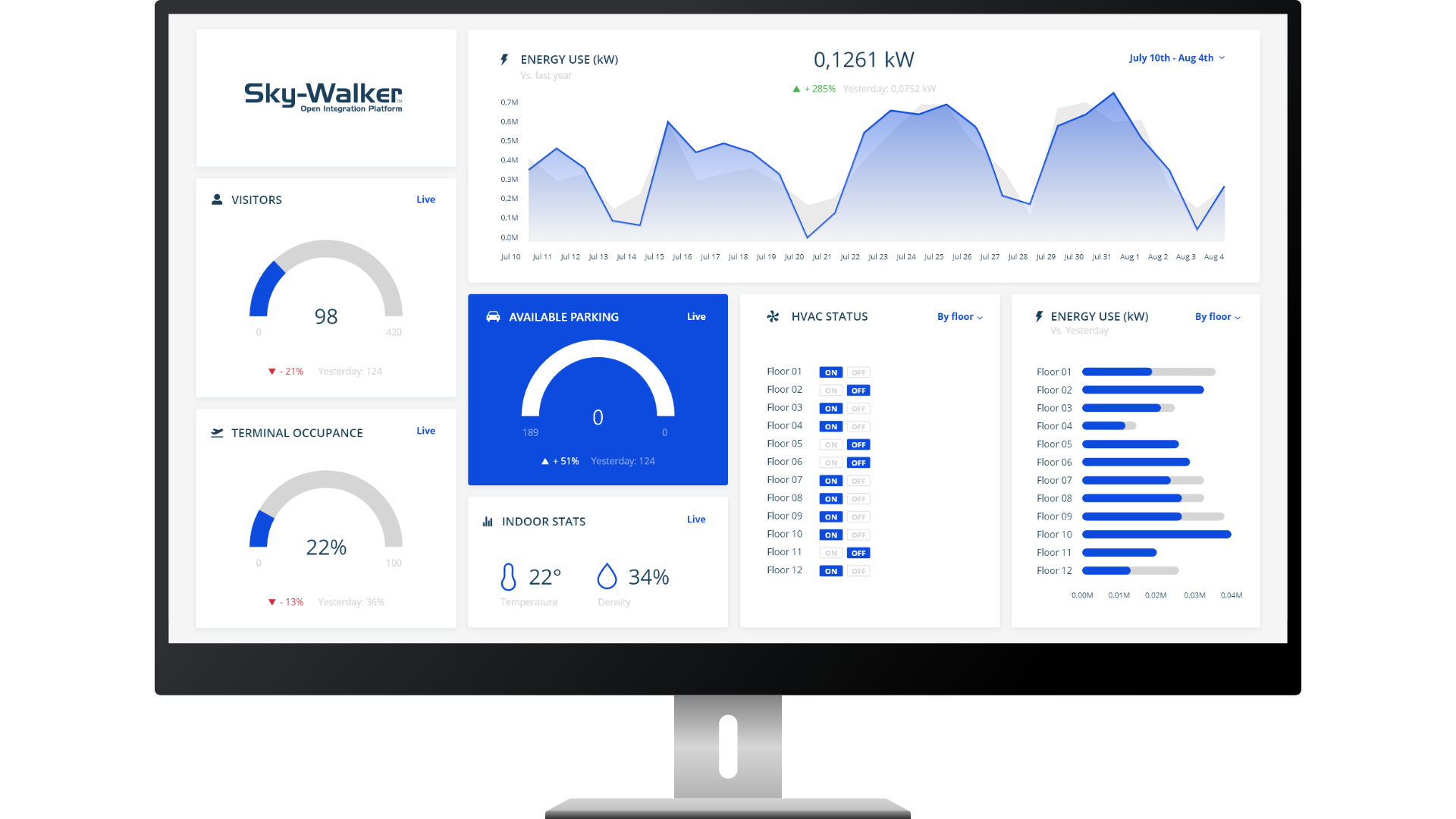
This is where platforms like Sky-Walker become crucial. Sky-Walker consolidates operational data into a single, accessible dashboard, giving logistics professionals a unified view of their entire network. Centralizing information, it allows teams to track key performance indicators, monitor execution, and quickly identify inefficiencies or deviations from plan.
Sky-Walker itself does not include AI, but its structured and accessible data environment creates the foundation necessary for advanced analytics or AI-driven tools to function effectively. AI can enhance decision-making, but only when it is fed consistent and reliable data. Sky-Walker ensures that the right data is visible, organized, and usable, enabling professionals to make smarter, evidence-based decisions.
With access to complete and contextualized operational data, logistics teams can respond proactively to challenges, align planning with execution, and maintain service reliability even in complex and variable environments. Decisions become more than reactive responses; they become informed, strategic actions

Shaping Decisions Through Reliable Data
When data accurately reflects operational conditions, it transforms decision-making. Logistics professionals can anticipate bottlenecks, optimize routes, allocate resources effectively, and maintain service levels. In contrast, relying on incomplete or abstracted data, as in the DHL case, can lead to inefficiencies, operational disruption, and significant financial impact.
The lesson for the logistics sector is clear: decisions must be grounded in reality, not assumptions. A platform like Sky-Walker provides the operational visibility necessary to bridge this gap, ensuring that strategy and execution are aligned.
Why Sky-Walker Is the Solution
The DHL case underscores the consequences of data that fails to support operational decision-making. Yet the solution is not to avoid digital transformation or data-driven logistics; it is to implement it correctly.
Sky-Walker addresses this challenge by centralizing operational data, providing clear insights into performance, and enabling logistics teams to make confident, evidence-based decisions. By transforming fragmented data into actionable visibility, Sky-Walker ensures that logistics decisions are informed, timely, and operationally grounded.
Conclusion
In logistics, complexity cannot be eliminated, but it can be understood. The difference between costly mistakes and efficient operations often comes down to the quality and usability of data. Decisions based on the right information can drive efficiency, reduce risk, and improve service reliability, while decisions based on incomplete or misinterpreted data can have significant financial consequences.
Platforms like Sky-Walker provide the foundation for informed decision-making, transforming data from a passive resource into a strategic advantage. By ensuring that visibility reflects operational reality, logistics professionals can confidently navigate complexity and make decisions that truly drive performance.
In logistics, the right data doesn’t just inform decisions it shapes the success of the entire supply chain.
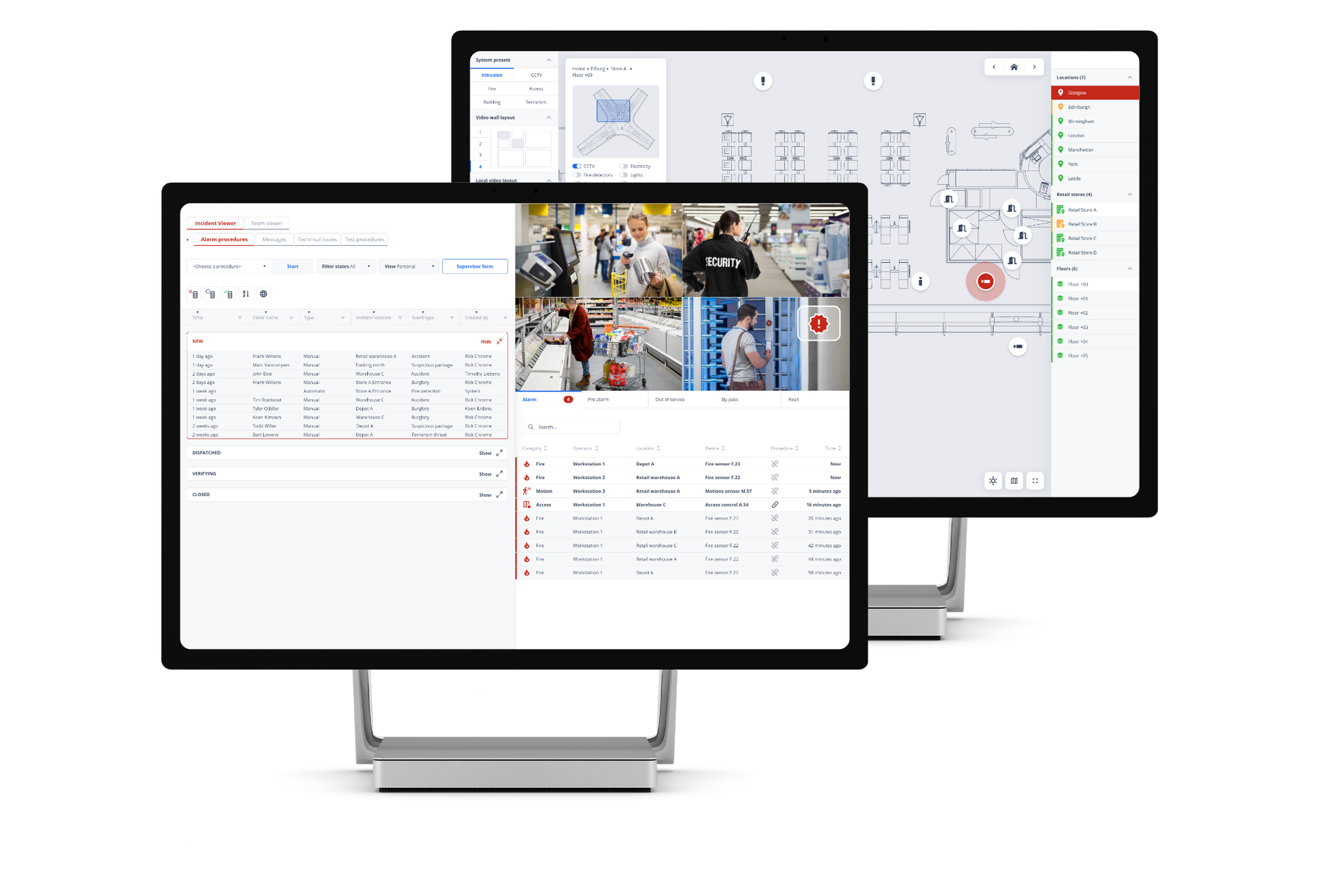
Want to see Sky-Walker in action?
Other blog posts






From Detection to Resolution: How Integrated Incident Management Platforms Elevate Security Response