Download Product Ebook
 View all our solutions
 Sky-Walker Architecture
 View all our integrations
 Book Protocol workshop
 Our Company
 Contact Us
 View All Our Case Studies
 Become a PSIM Partner
 Become a Sky-Walker PSIM partner today!
 English
 Français
 Nederlands
The Hidden Cost of a False Alarm in a Smart Building

It starts with a beep.
Then another. Then the whole floor is evacuating, your employees are standing outside in the cold, three fire trucks are pulling up to the entrance, and your afternoon is gone. An hour later, everyone's back at their desks, slightly annoyed and a little shaken, and the verdict comes in: a dusty sensor in the server room triggered the alarm.
No fire. No danger. Just a false alarm.
Most facility managers have been there. And most of them brush it off as one of those things, an inconvenience, a minor disruption. But here's the truth no one really talks about: false alarms in commercial buildings are far more expensive than they look. And in an era of smart buildings, they're also largely preventable.

The Real Price Tag Nobody Calculates
When a false alarm goes off, the obvious costs are easy to spot. You see the fire trucks. You hear the complaints. You feel the lost hour of productivity.
What's harder to see is everything underneath.
Lost productivity is the first and most obvious hit. A mid-sized office building with 200 employees losing one hour per false alarm means 200 person-hours gone, every single time. Multiply that by how often false alarms occur in your sector, and the numbers become uncomfortable fast. Studies suggest that 80% or more of all alarm activations in commercial buildings are false, so this is not a rare event.
Emergency service costs are increasingly being passed on to building owners. Many municipalities in Europe are now charging call-out fees for repeated false alarm responses. In Belgium, the Netherlands, and across the EU, local fire departments have tightened policies around nuisance calls. A single false call-out can cost anywhere from a few hundred to over a thousand euros, and that's before you factor in repeated incidents triggering formal warnings or fines.
Reputation and tenant trust are harder to put a number on, but they're real. If your building triggers false alarms regularly, tenants notice. High-profile office tenants, healthcare operators, or logistics partners don't want their operations disrupted on a random Tuesday afternoon. Repeated incidents can influence lease renewals, tenant satisfaction scores, and even your building's market value.
Desensitization may be the most dangerous hidden cost of all. When alarms go off too often without real cause, people stop taking them seriously. They wait a few extra minutes before evacuating. They assume it's nothing again. In the event of an actual emergency, that hesitation is not a minor inconvenience. It's a life-safety risk.
Why False Alarms Happen More Than They Should
Most false alarms aren't caused by faulty equipment. They're caused by isolated equipment.
A smoke detector in the kitchen area triggers during lunch prep. A motion sensor fires when an HVAC system pushes air through an empty corridor. A door contact alarm activates because of a maintenance team that forgot to disarm the zone. Each of these systems is doing its job, detecting a signal and reporting it. The problem is that they're doing it alone, without context.
In a building where systems don't talk to each other, every signal is treated equally. There's no way for the fire alarm panel to ask: Is there actually smoke, or is it steam from the kitchen? Is anyone nearby? What are the CCTV cameras showing right now?
That context is exactly what prevents false alarms from becoming false evacuations.
How Integrated Systems Change the Equation
This is where smart building integration genuinely earns its value. Not in a theoretical, PowerPoint-slide way, but in a practical, saves-you-money-today kind of way.
When your fire detection system, CCTV, access control, and building management systems are connected through a single platform, something fundamentally changes: alarms stop being binary.
Instead of alarm on or alarm off, you get alarm on, with full context.
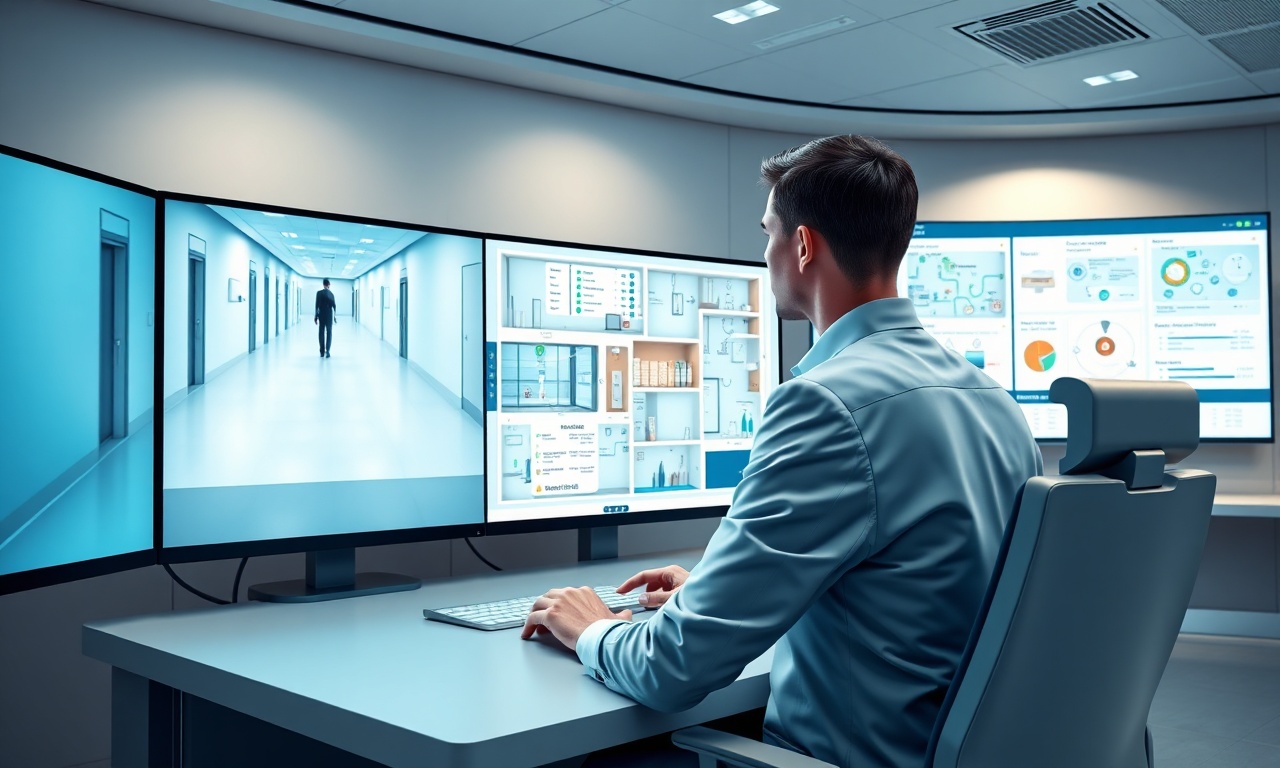
Imagine the same dusty sensor scenario in an integrated building. The fire detector triggers. But before a full evacuation is initiated, the platform cross-references that alert with the CCTV feed in that zone. No smoke is visible on camera. The HVAC logs show a ventilation spike in the area. The access control system confirms no one has badged into that server room in six hours.
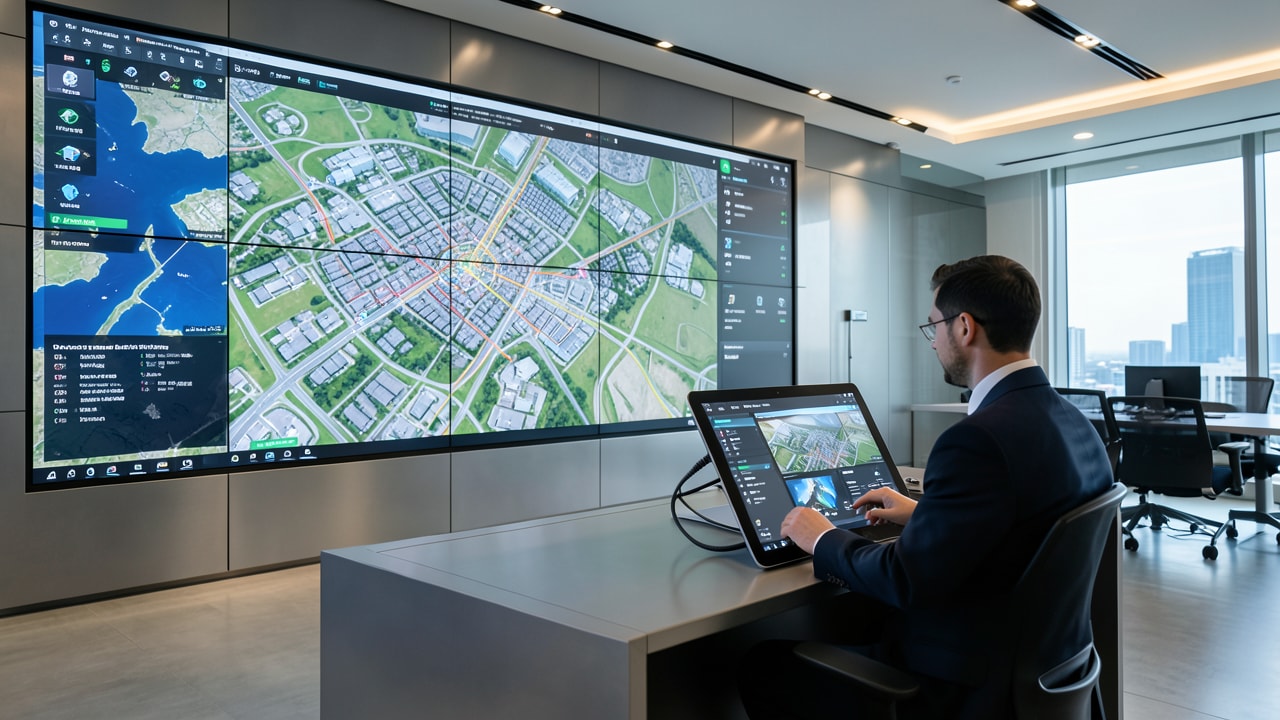
The operator sees all of this on a single screen, within seconds. Instead of an automatic full building evacuation, they dispatch a security officer to verify and confirm it's a false alarm before anyone leaves their desk.
That's the difference between a managed investigation and a costly, disruptive evacuation.
What This Looks Like in Practice
A PSIM platform like Sky-Walker doesn't replace your safety systems. It connects them and gives your operators the tools to make faster, smarter decisions.
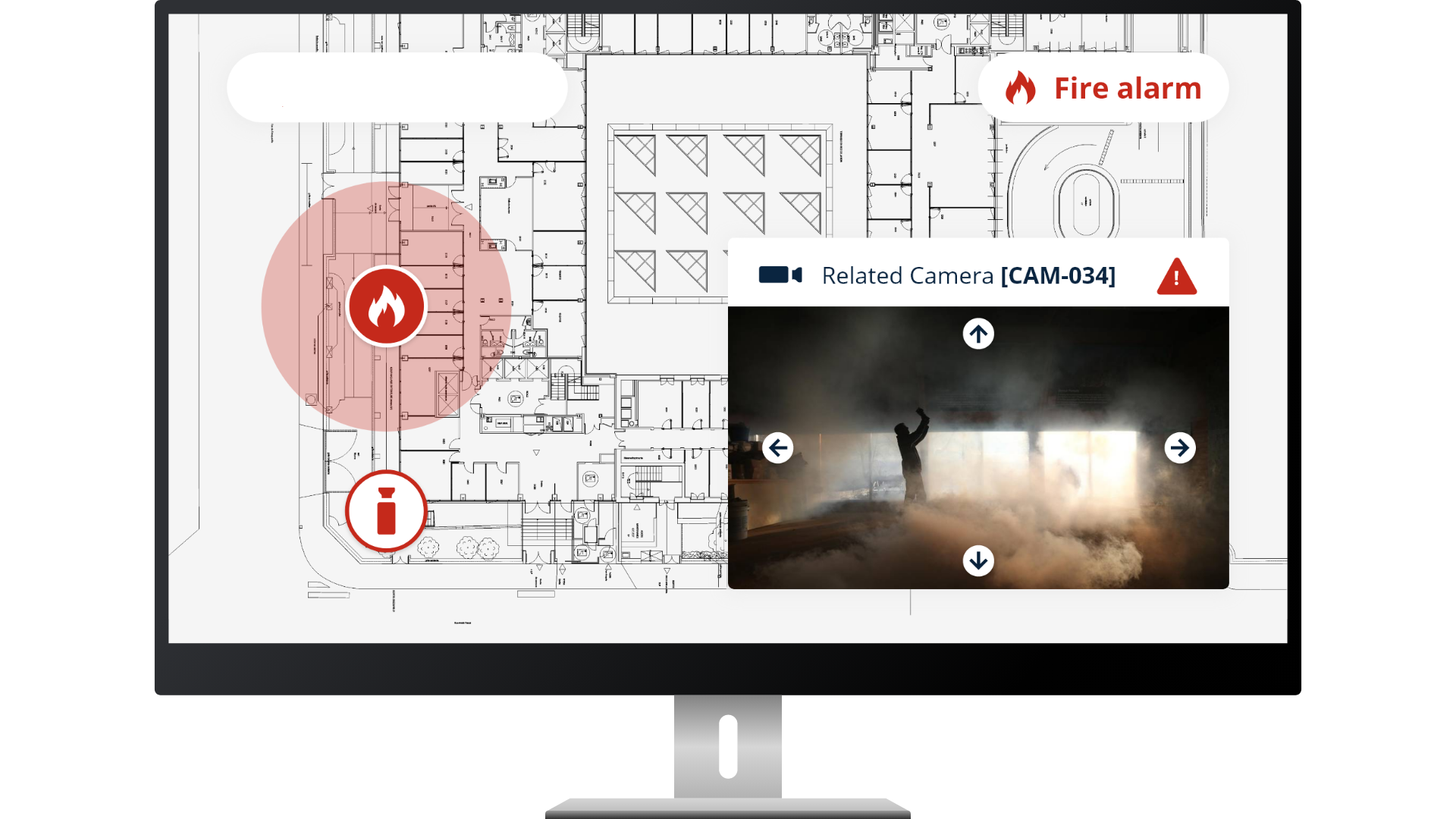
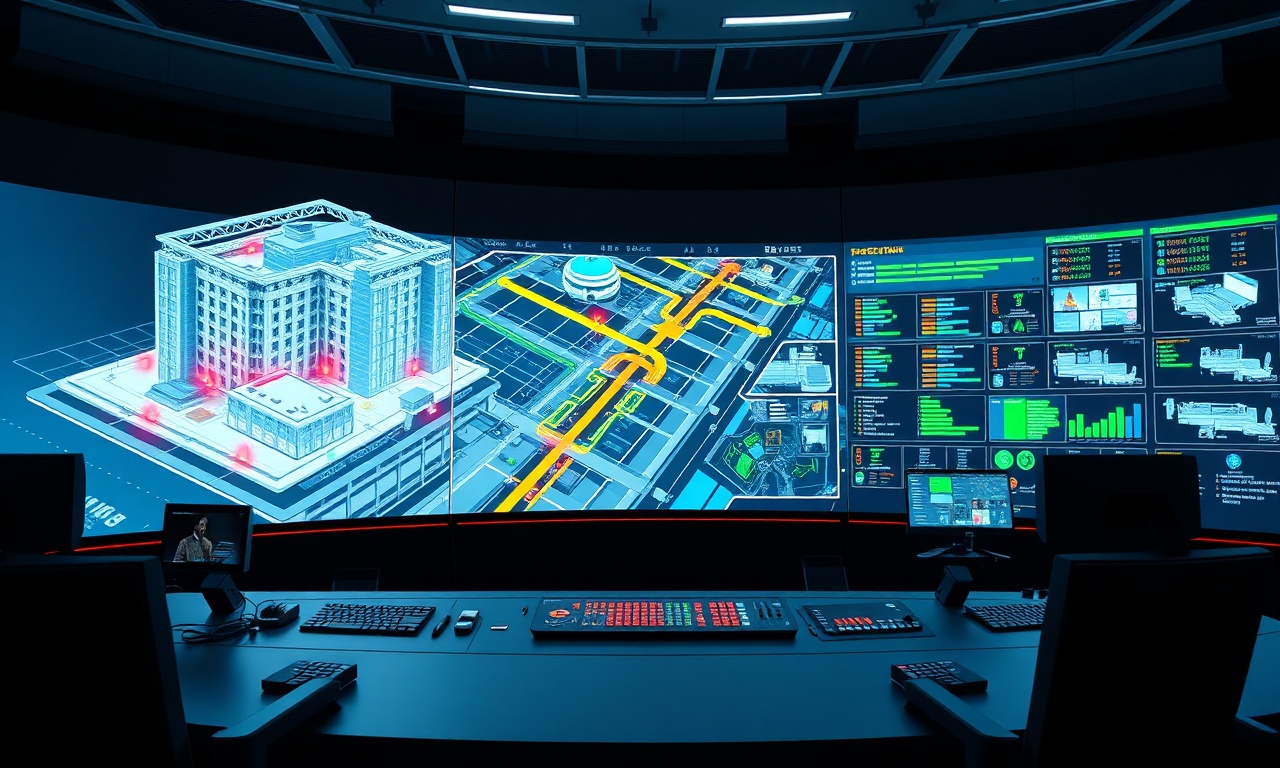
When an alarm is triggered, Sky-Walker automatically surfaces the relevant camera feeds, opens the floor plan view of the affected zone, pulls up the sensor history, and flags any correlated events. Your operator has the full picture in under ten seconds. Predefined response workflows guide them through the verification process step by step, ensuring nothing is missed and every action is logged.
The result is fewer unnecessary evacuations, faster genuine responses, and a clear audit trail for every incident, whether it turned out to be real or not.
For building managers, this also means better reporting. You can identify which sensors are generating repeated false alerts, which zones have chronic issues, and where maintenance intervention is needed. The data that used to disappear into a logbook becomes actionable intelligence.
The Bigger Picture
False alarms are a symptom, not the root cause. The root cause is disconnected systems making isolated decisions without the context they need.
Smart building integration doesn't just reduce false alarms. It raises the quality of every response across your entire operation. When your systems share information, your building becomes more resilient, your operators become more effective, and your tenants have fewer reasons to question whether they chose the right building.
The next time you hear that beep, ask yourself: Does your building have what it needs to tell the difference?
If the answer isn't immediately yes, it might be time to have a different conversation.
Conclusion
A false alarm might feel like a minor setback in the moment, but the costs stack up quickly. Lost working hours, emergency service fees, frustrated tenants, and a team that slowly stops taking alarms seriously. None of these is inevitable. They are the result of systems that weren't designed to work together.
The good news is that this is a solvable problem. Buildings that bring their systems together under one platform don't just reduce false alarms. They become genuinely smarter, faster, and safer environments for everyone inside them. Operators gain clarity. Managers gain control. And tenants gain confidence that the building they're working in is being run properly.
At Entelec, this is exactly what we built Sky-Walker to do. Not to add another layer of complexity on top of what you already have, but to make everything you already have work better together. Because in the end, the goal isn't fewer alarms. It's better information, faster decisions, and a building that responds the way it should when it matters most.

Want to see Sky-Walker in action?
Other blog posts


From Detection to Resolution: How Integrated Incident Management Platforms Elevate Security Response