Download Product Ebook
 View all our solutions
 Sky-Walker Architecture
 View all our integrations
 Book Protocol workshop
 Our Company
 Contact Us
 View All Our Case Studies
 Become a PSIM Partner
 Become a Sky-Walker PSIM partner today!
 English
 Français
 Nederlands
5 Positive Effects of Making Your Building a Smart Building
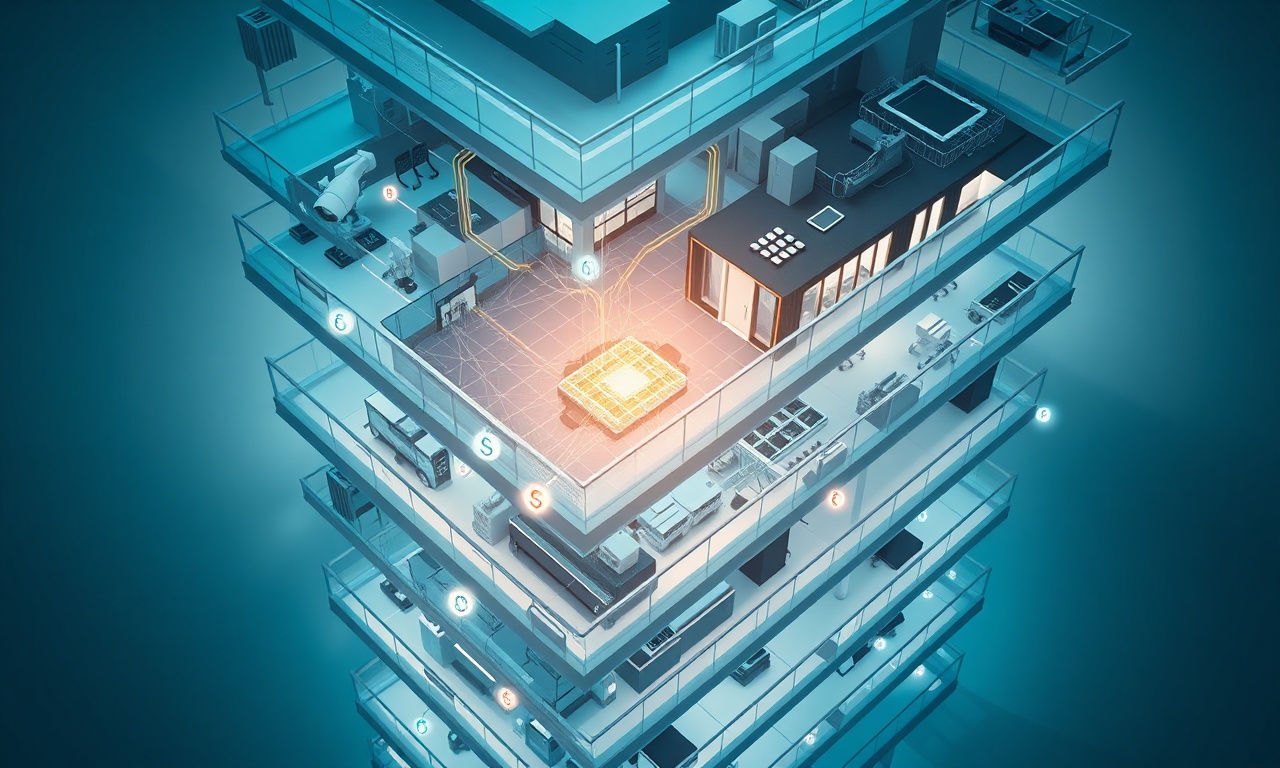
What If Your Building Did the Work For You?
Imagine walking into your office on a Monday morning. The lights are already at the right level. The temperature is exactly where you like it. An access alert from the weekend was already flagged, reviewed, and resolved — automatically. No calls, no complaints, no spreadsheets.
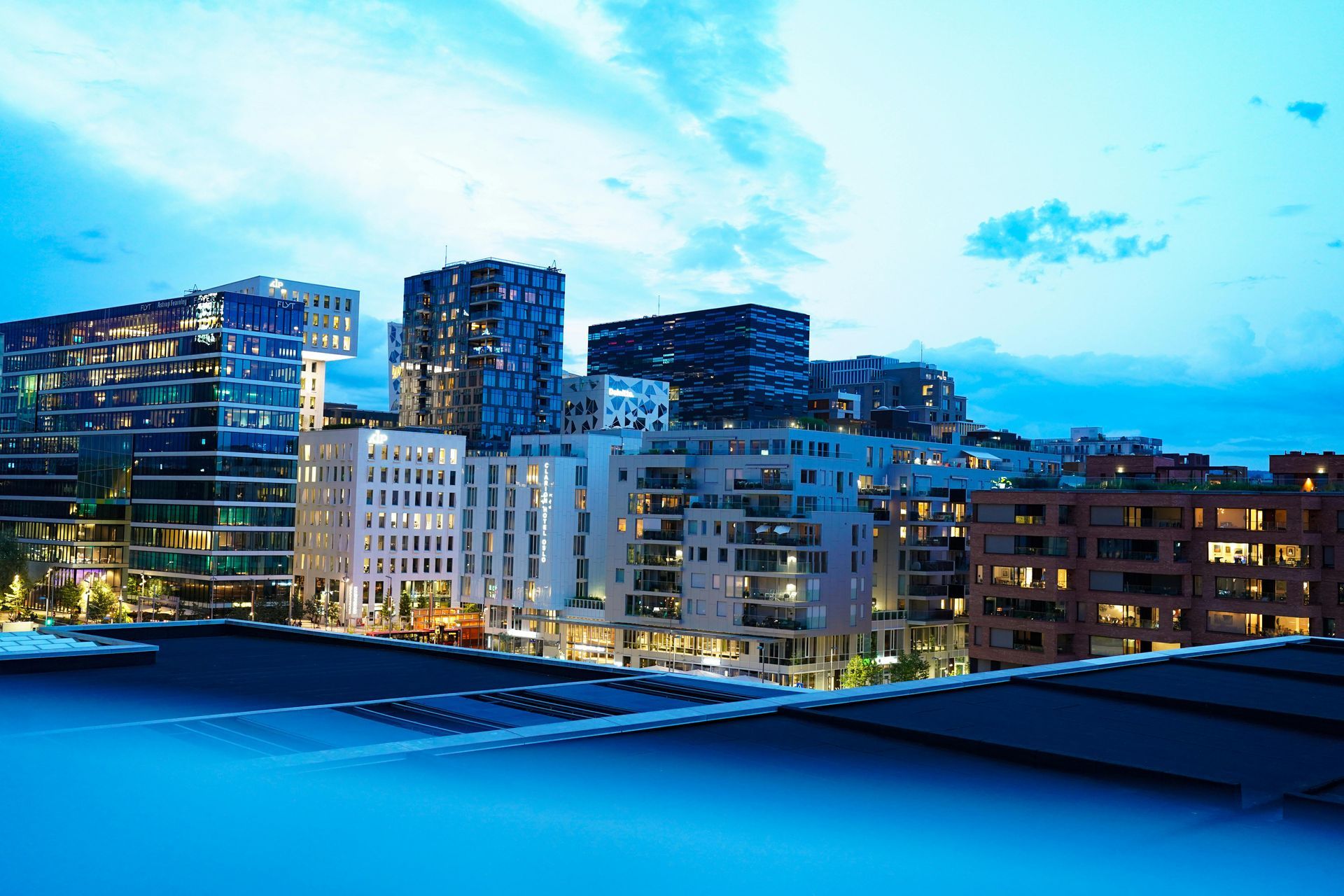
That's not science fiction. That's what a smart building actually does. And across Europe — from Brussels to Amsterdam, from Paris to Frankfurt — facility managers and building owners are discovering that the upgrade isn't just about technology. It's about running a better building, period.
So what exactly does a smart building do for you? Let's break it down.
1. Energy Costs Go Down — Without Sacrificing Comfort
Energy is one of the biggest operational expenses in any commercial building. And with prices continuing to rise across Europe, the pressure on facility managers to cut consumption without cutting corners has never been higher.
Smart buildings tackle this directly. When your HVAC, lighting, and energy systems are connected and managed through a single platform, they stop operating in isolation and start working as a team. Lights dim automatically when rooms are empty. Heating adjusts based on occupancy and outside temperature. Energy peaks are spotted before they become costly surprises on your utility bill.
For building managers in Belgium, the Netherlands, and across the EU, this also ties directly into compliance with the EU's Energy Performance of Buildings Directive (EPBD). A smart building doesn't just save money — it keeps you ahead of regulation.

2. Security Becomes Proactive, Not Reactive
Traditional building security works like a smoke alarm: it tells you something happened. A smart building tells you something is about to happen — and gives you the tools to act before it does.
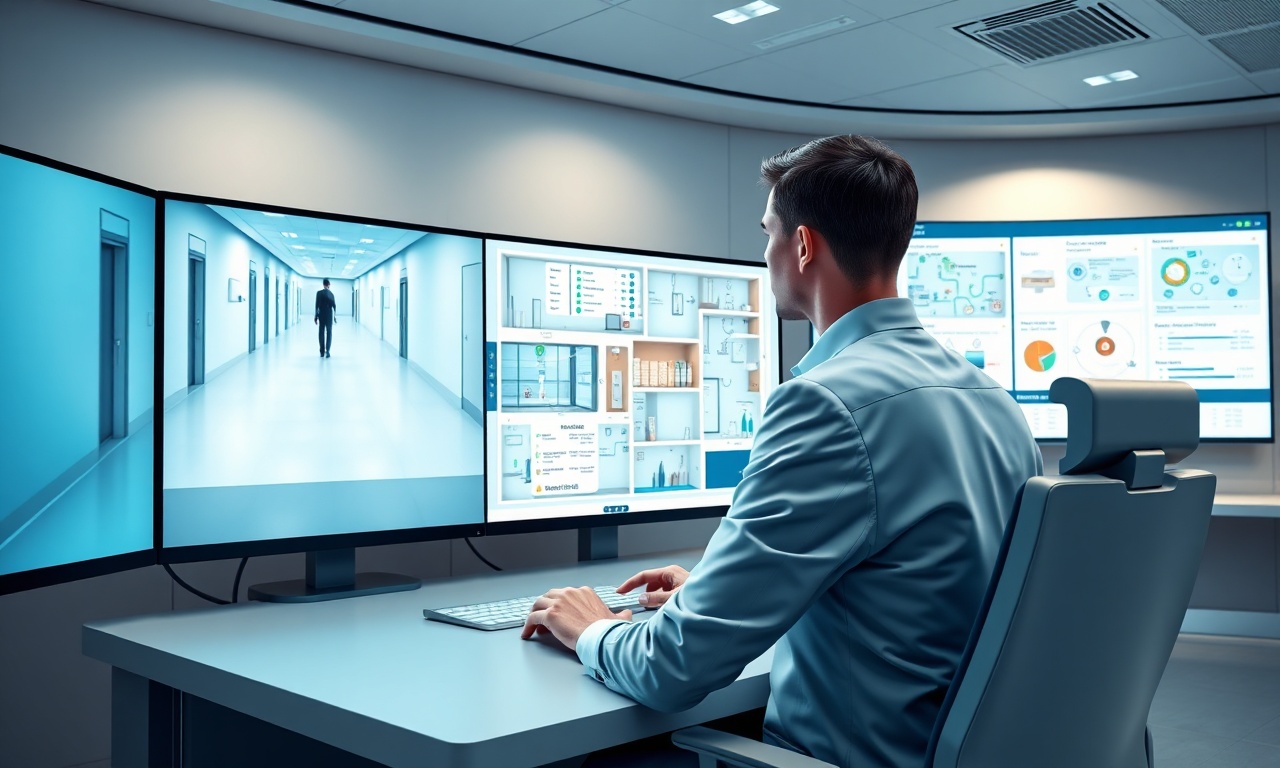
When access control, CCTV, intrusion detection, and visitor management all feed into a single integrated platform, your security team gains something invaluable: context. They don't just see an alarm — they see what triggered it, where it happened, who was nearby, and what the cameras are showing, all from one screen.
- Tailgating at an access point triggers an instant camera check — automatically
- Out-of-hours door access sends a real-time alert with video confirmation
- Unauthorized access attempts are cross-referenced with visitor logs instantly
- Operators follow guided procedures so nothing is missed under pressure
This level of coordination used to require a room full of security staff watching separate screens. Today, a single operator in a smart building can manage all of it — because the system connects the dots for them.

3. Incidents Get Resolved in Seconds, Not Minutes
Speed matters. Whether it's a fire alarm, a medical emergency, or a security breach — every second of delay has consequences. In most buildings today, those seconds are lost to manual coordination: calling the right person, switching between platforms, verifying what's happening.
A smart building eliminates that friction.
Real-World Scenario
Fire Detection in a Multi-Floor Office Building
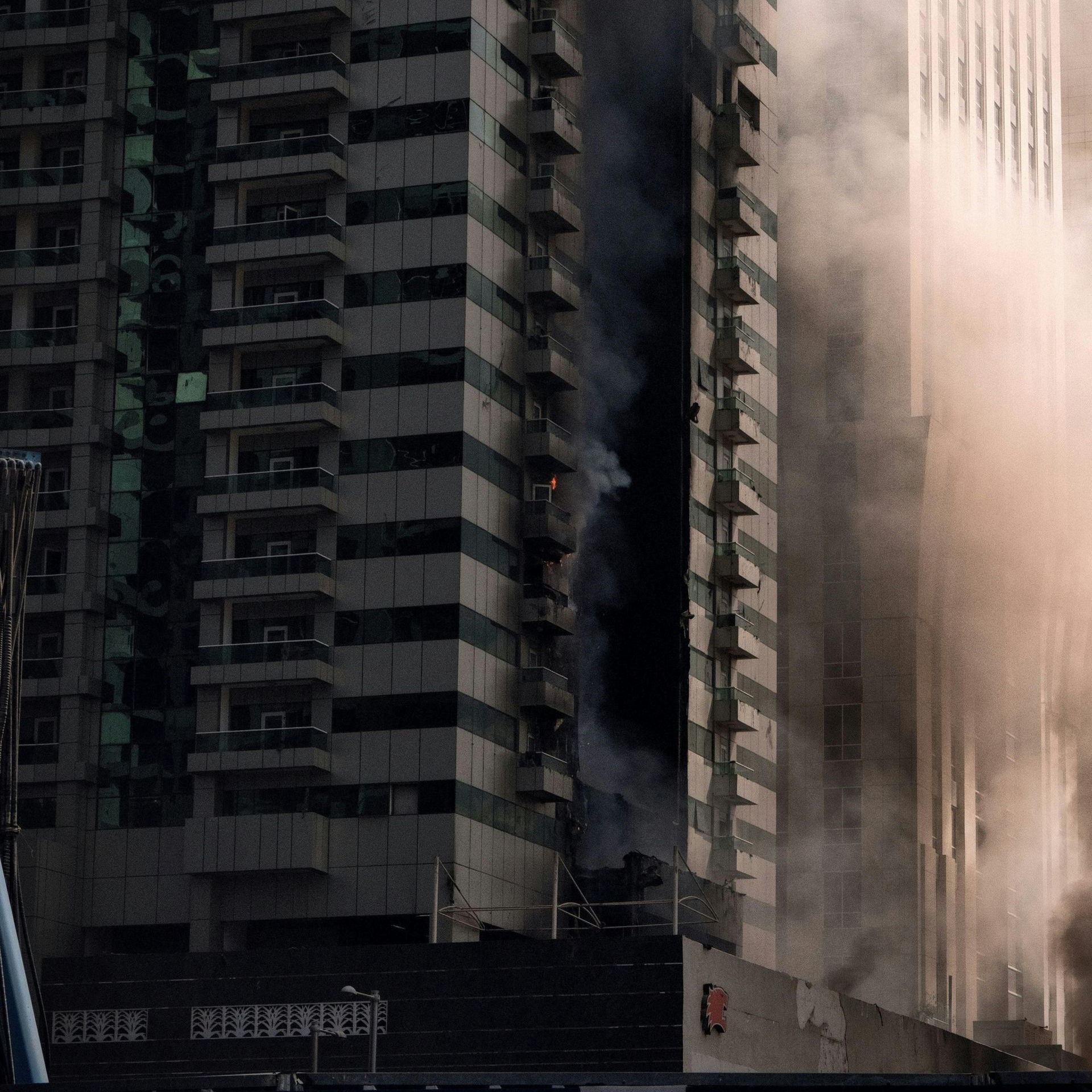
The moment a smoke sensor triggers on the third floor, the integrated platform takes over. The public address system broadcasts tailored evacuation instructions by zone. Emergency exits unlock automatically. HVAC airflow to the affected area is cut to prevent smoke spread. Elevators are recalled. Security cameras in the zone shift focus to provide operators with live situational awareness — and a full incident log begins recording automatically.
Your team doesn't have to coordinate all of this. The building does it for them. Their job is to manage the situation — not fight their own systems.
4. Occupant Comfort Improves — and So Does Productivity
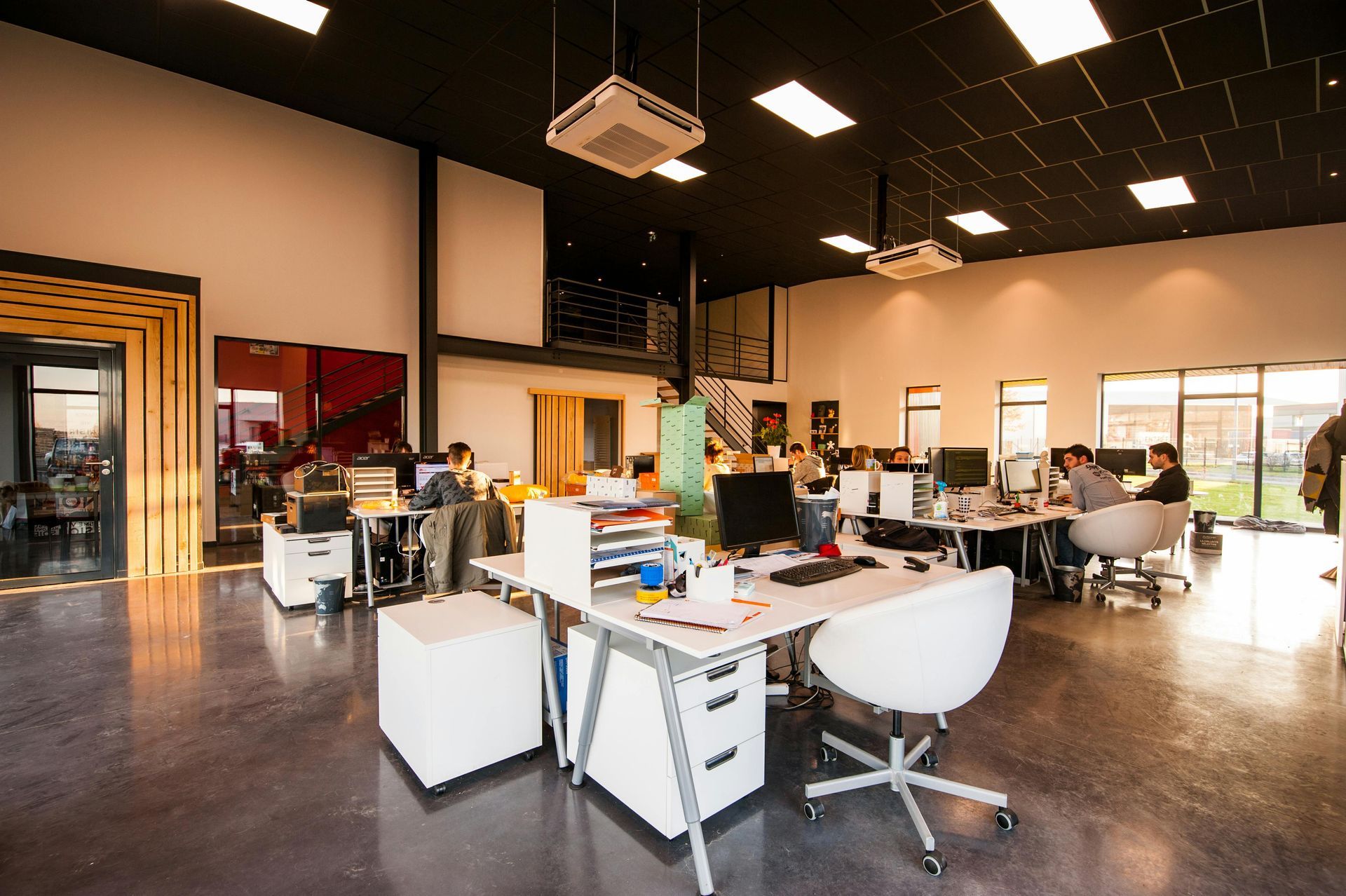
Nobody does their best work in a room that's too hot, too cold, too loud, or too dark. And yet, in most commercial buildings across Europe, those conditions persist because no one has the time or the tools to address them in real time.
A smart building changes this by making the environment responsive. Occupancy sensors detect how many people are in a space and adjust ventilation accordingly. Lighting adapts to natural light levels throughout the day. Meeting rooms pre-condition themselves before a booking starts.
The result isn't just happier occupants — it's measurable productivity gains. Research consistently shows that better air quality, lighting, and thermal comfort have a direct impact on cognitive performance. In a competitive talent market, the quality of your workplace environment matters more than ever.
For property owners and real estate developers in Belgium, the Netherlands, France, and Germany, smart building features are increasingly a differentiating factor in attracting and retaining tenants. A smart building isn't just a better place to work — it's a more valuable asset.
5. Facility Management Becomes Data-Driven
Here's an uncomfortable truth: most buildings are managed based on routine and habit, not data. Maintenance is scheduled by the calendar, not by actual wear. Cleaning happens on fixed rotations regardless of actual traffic. Energy is monitored monthly, not in real time.
A smart building breaks this pattern. When systems are integrated and centralized, you get a continuous stream of operational data — occupancy patterns, energy consumption by zone, equipment performance trends, incident history, access logs — all in one place.
That data makes everything sharper:
- Predictive maintenance replaces reactive repairs — equipment issues surface before they become failures
- Cleaning and facility teams are deployed based on actual usage, not guesswork
- Reports for compliance, sustainability targets, and insurance are generated automatically
- Operational decisions are backed by evidence, not intuition
For multi-site organizations — logistics operators, retailers, healthcare institutions, educational campuses — this data-driven approach is especially powerful. With a unified platform, you can benchmark performance across sites, identify outliers, and deploy best practices at scale.

Conclusion
A smart building isn't about adding complexity, it's about removing it. When your fire detection, access control, CCTV, HVAC, lighting, and energy systems all speak the same language and report to the same platform, your operations become simpler, faster, and more effective.
The benefits aren't theoretical. They're happening right now in buildings across Europe in office towers, logistics hubs, hospitals, universities, and retail chains where integrated platforms are delivering measurable results every single day.
The real question isn't whether smart building technology works. It's whether you can afford to keep running your building the old way with siloed systems, manual coordination, and reactive management when a better option already exists.
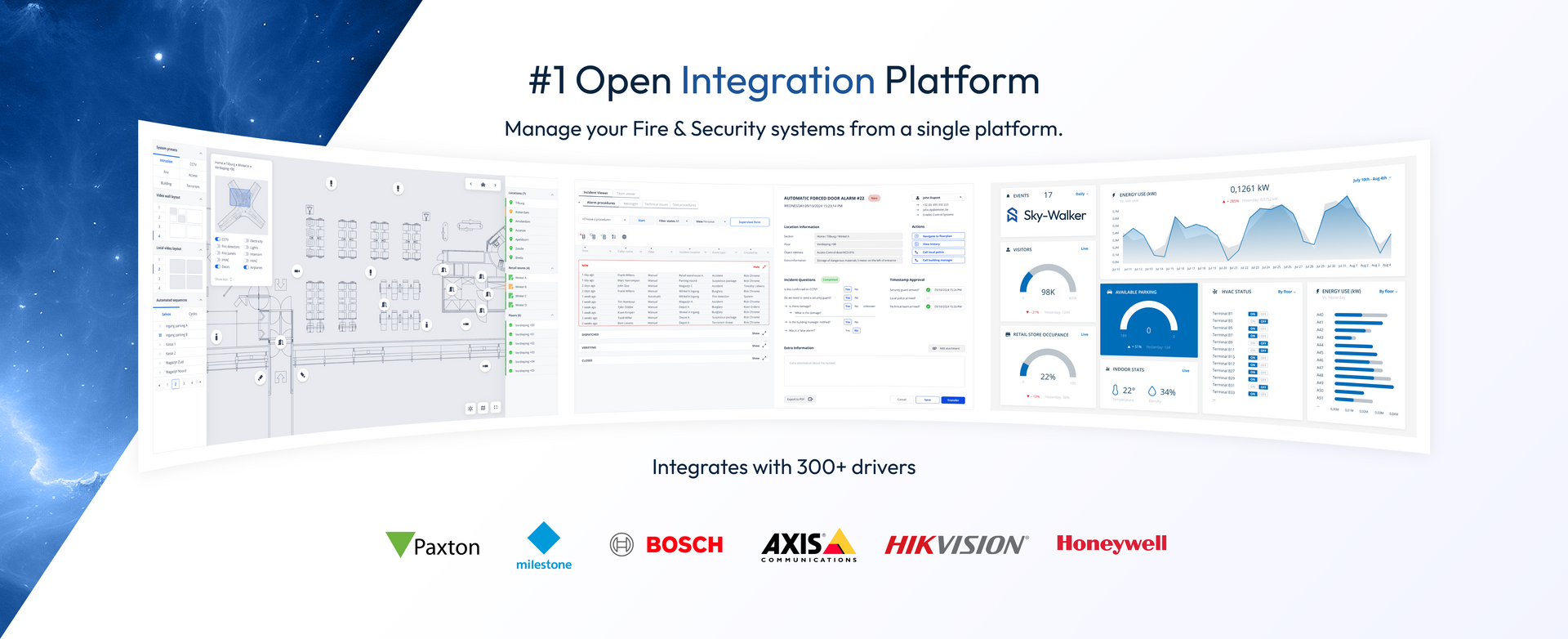
Sky-Walker by Entelec is the PSIM platform that brings all your building systems together in one unified interface. Whether you're managing a single site in Ghent or a portfolio of buildings across Europe, Sky-Walker gives you the visibility, control, and automation to run a smarter operation.
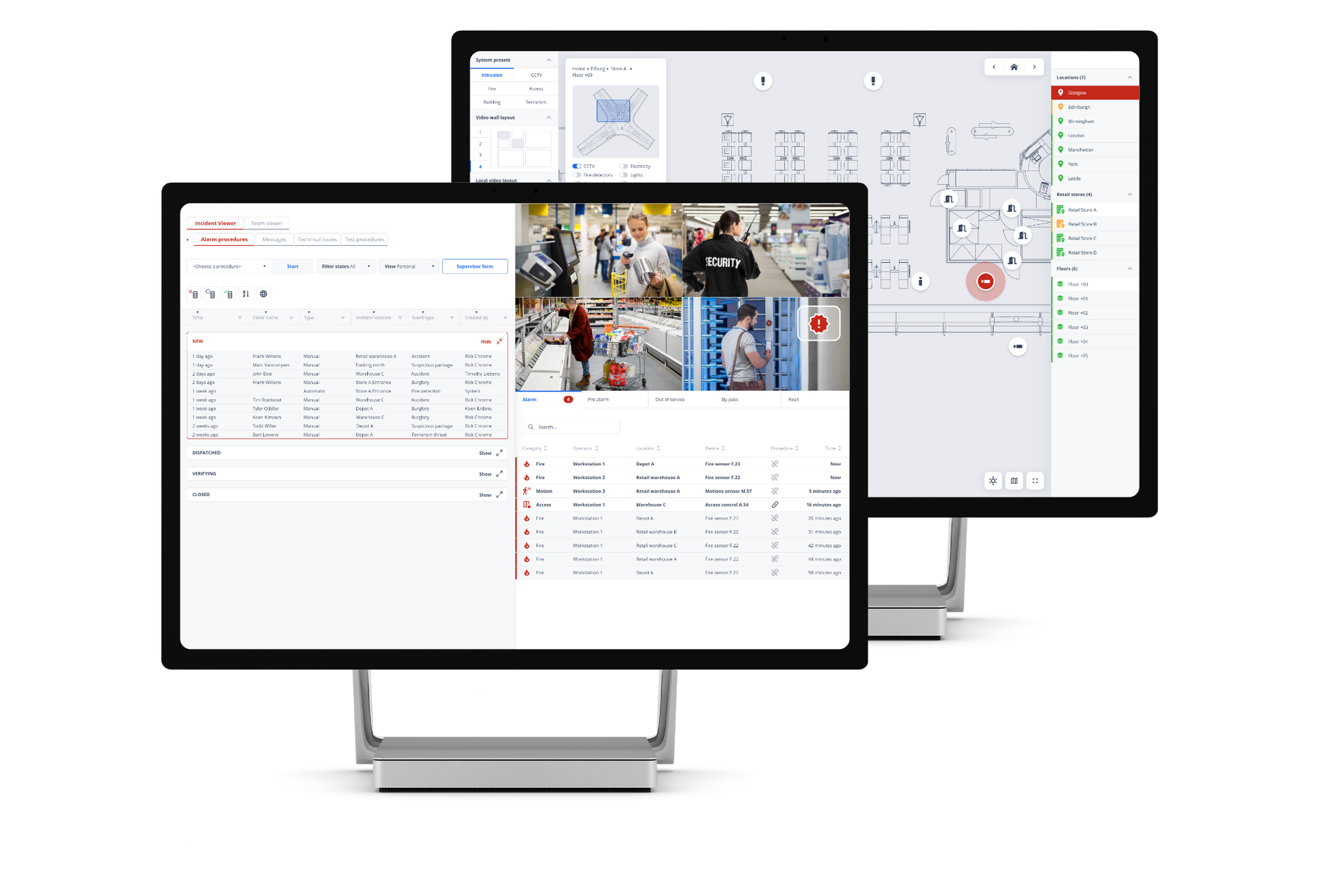
Want to see Sky-Walker in action?
Other blog posts


From Detection to Resolution: How Integrated Incident Management Platforms Elevate Security Response