


 Download Product Ebook
 View all our solutions
 Sky-Walker Architecture
 View all our integrations
 Book Protocol workshop
 Our Company
 Contact Us
 View All Our Case Studies
 Become a PSIM Partner
 Become a Sky-Walker PSIM partner today!
 English
 Français
 Nederlands
Security trends for 2021
Marketing Entelec • April 28, 2021
New trends shaping the industry
1 - Smart video technology
Despite a very peculiar 2020, the continuing evolution of the security industry has not halted. Several important developments in technology usage are also accelerating, such as the growth of multi-perception technology, security system integration, the popularity of artificial intelligence and the advancement of cloud solutions.
These developments broaden and shape the defense industry from safeguarding people and properties to building cleaner, more productive and smarter worlds.
Companies prioritize securing safe ways to re-start operations in the light of the COVID 19 pandemic. Smart video technology has shown great potential to help companies safeguard their employees and customers returning to work. Controlled by security cameras and powered by AI, the security cameras monitor dense locations to guarantee employees follow vital safety precautions; from social distancing to masking and flow controls.
Employees are avoiding unnecessary physical contact with shared hardware in this tense era, accelerating the trend of the touchless access control system that we've seen on the market. Several different modes are heavily promoted for tactile verification face recognition including: almprint recognition, NFC and QR codes.
2 - Multi-dimensional perception
Previously, the central and only perceptive feature for video surveillance devices was the recording of visual images for a long time. But now we are seeing more potent edge computing and smart algorithms, embedded security devices and systems using multiple sensors, which are all becoming feasible with the development and implementation of sensor technology. Increased sensing capabilities are now incorporated with video cameras and technologies including: radar tracking, multi-spectral mapping, moisture and temperature analysis, and gas pressure control. This integration enhances the perception capability of video cameras and systems which enables multidimensional information to be obtained and used.
3 - Visibility
Low light imaging technology is becoming popular in the safety sector and offers colorful images at night and has shown customers a preference for 24-hour color imaging cameras. More front end cameras are now fitted with low-light imaging techniques to ensure that, in both day and night they can see and reproduce picture color. And how do the cameras ensure visibility in other extreme conditions like heavy rain, snow, fog or smog? With thermal imagery, even the light-obscuring in such conditions affects the rendered image even less.
4 - Converging multiple security systems
We work in an industry of which consumers demand total solutions. The vast majority of safety professionals have long wanted the concept of systems that work seamlessly together. The advantages of turning multiple security systems into a unified platform including video, access control, alarm, fire prevention and emergencies are diverse with the most obvious advantages being cost and efficiency reliability. For instance, an integrated system connects automatically to the output of the nearest camera when an alarm disappears, allowing you to easily see the whole situation from the monitoring center.
This ensures that time, effort and particularly costs are considerably reduced. All of this produces an enticing bundle for consumers, due to staff savings, installer time, separate maintenance charges, separate product licenses etc.
Convergence is also a scale-up of defense technologies. Present technology on the same core network can fulfill and manage future needs. This means that our in house platform Sky-Walker is futureproof.
5 - Increased edge computing
Edge computing is becoming highly effective for surveillance cameras and more smart algorithms are continuously being discovered. This gives us the idea that edge computing is a strong way to ‘bring AI everywhere.’ The security market is becoming increasingly prominent with the following: automated number plate recognition (ANPR), automatic event warning, people counting, heat mapping, illegal parking and hard hat detection as well as a number of other AI applications. It will become common for surveillance cameras to carry out smarter tasks in the near future with increased edges and optimized AI algorithms to help improve the local communities safety.
6 - Open AI ecosystems
With AI implementations being used in many new areas, the business specifications for AI algorithms are becoming more diversified and the need for customization is also growing. We've seen more industry wide cooperation and emerging ecosystems which address diverse market demands. Several security vendors have introduced services to keep their edge systems available to third-party AI applications. This offers a broader spectrum of smart functioning and transparency for construction partners. Providing open AI training tools for consumers to directly build and train their own algorithms is a very popular activity in other sectors and is now emerging in the area of physical defense. Customers have a deeper understanding of their own businesses, and it will be more efficient and effective for them to develop their own algorithms based on their data and specific security and business needs through easy to use, open AI training platforms.
Other blog posts
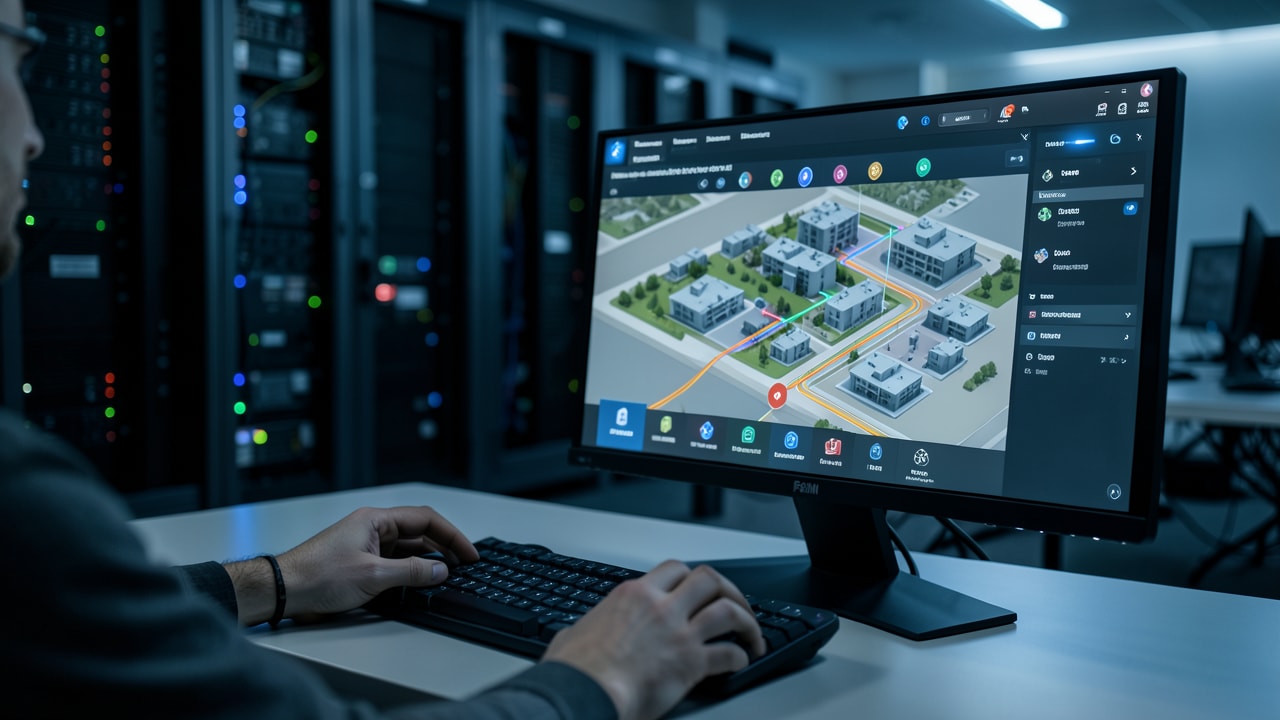
False alarms drain resources, create fatigue, and obscure real threats. Discover how PSIM software centralizes intelligence, enhances situational awareness, and empowers security teams to shift from reactive responses to proactive management, ensuring faster, more effective incident resolution.
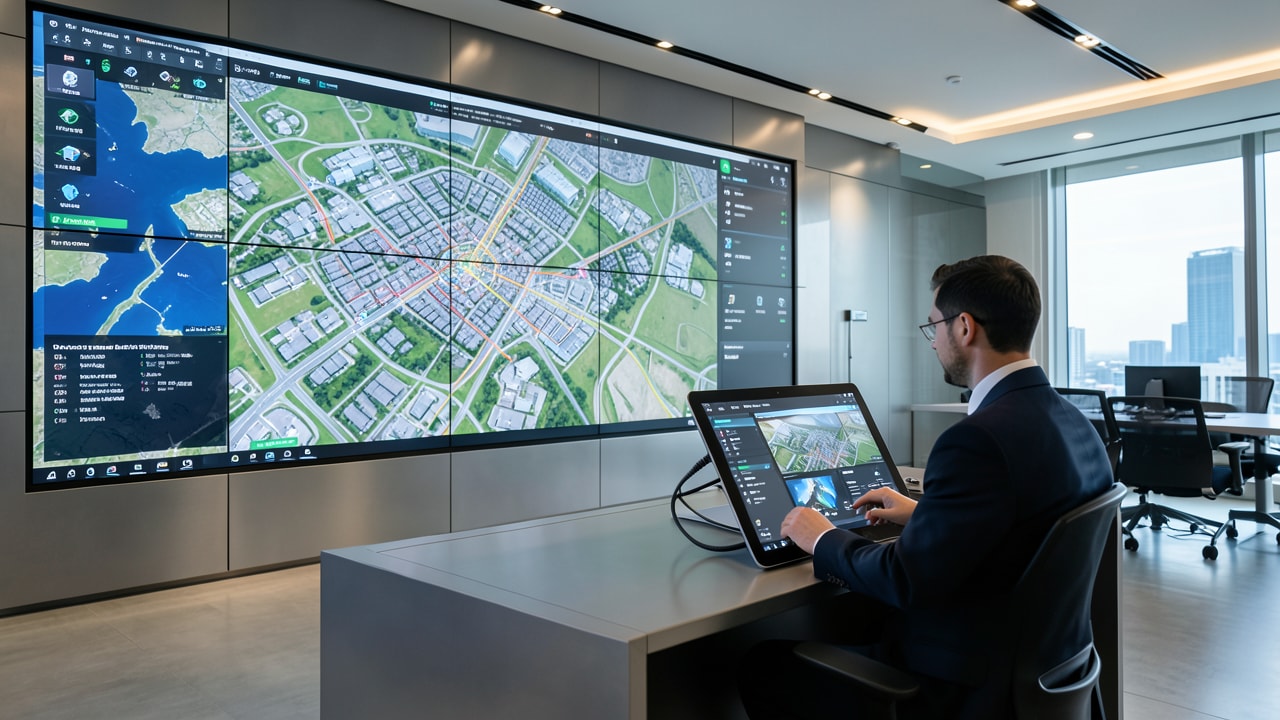
Security integrators and installers face evolving demands for unified, scalable solutions. Discover how leveraging open integration platforms (PSIM) enables you to deliver comprehensive security and building management, overcome vendor lock-in, and drive significant business growth.
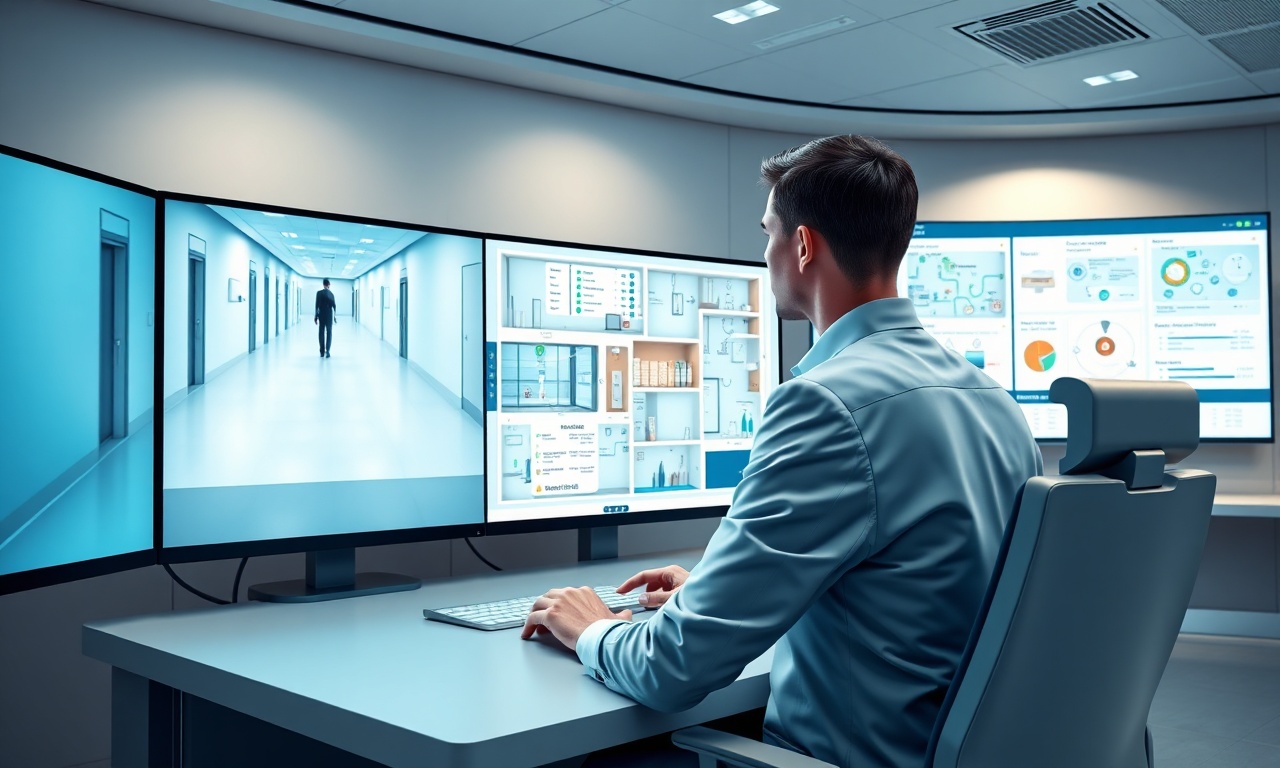
Healthcare facilities present complex security, safety, and operational challenges. Discover how unifying disparate systems with an integrated platform improves patient safety, protects assets, and ensures seamless operations.
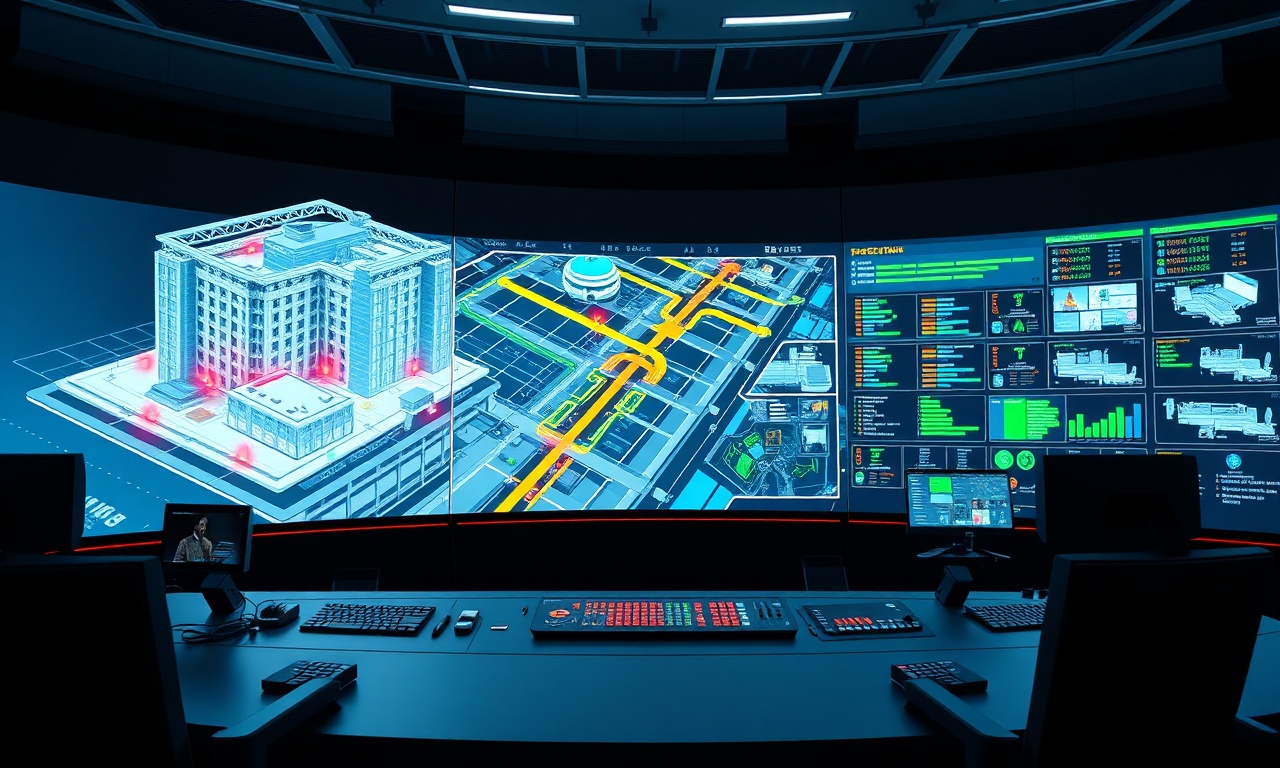
When fire strikes, every second matters. Discover how integrating fire detection, safety, and communication systems into a unified platform can drastically improve emergency response coordination, enhance situational awareness, and protect lives and assets.

Industrial facilities face unique security and safety challenges across vast, complex sites. Discover how integrating Geographical Information Systems (GIS) with PSIM platforms provides unprecedented situational awareness, streamlines incident response, and boosts operational efficiency for industrial managers.

From Detection to Resolution: How Integrated Incident Management Platforms Elevate Security Response
Security incidents demand rapid, coordinated action. Discover how an integrated incident management platform centralizes alarms, standardizes procedures, and fosters seamless collaboration, empowering security managers to achieve faster response times and more effective resolutions.
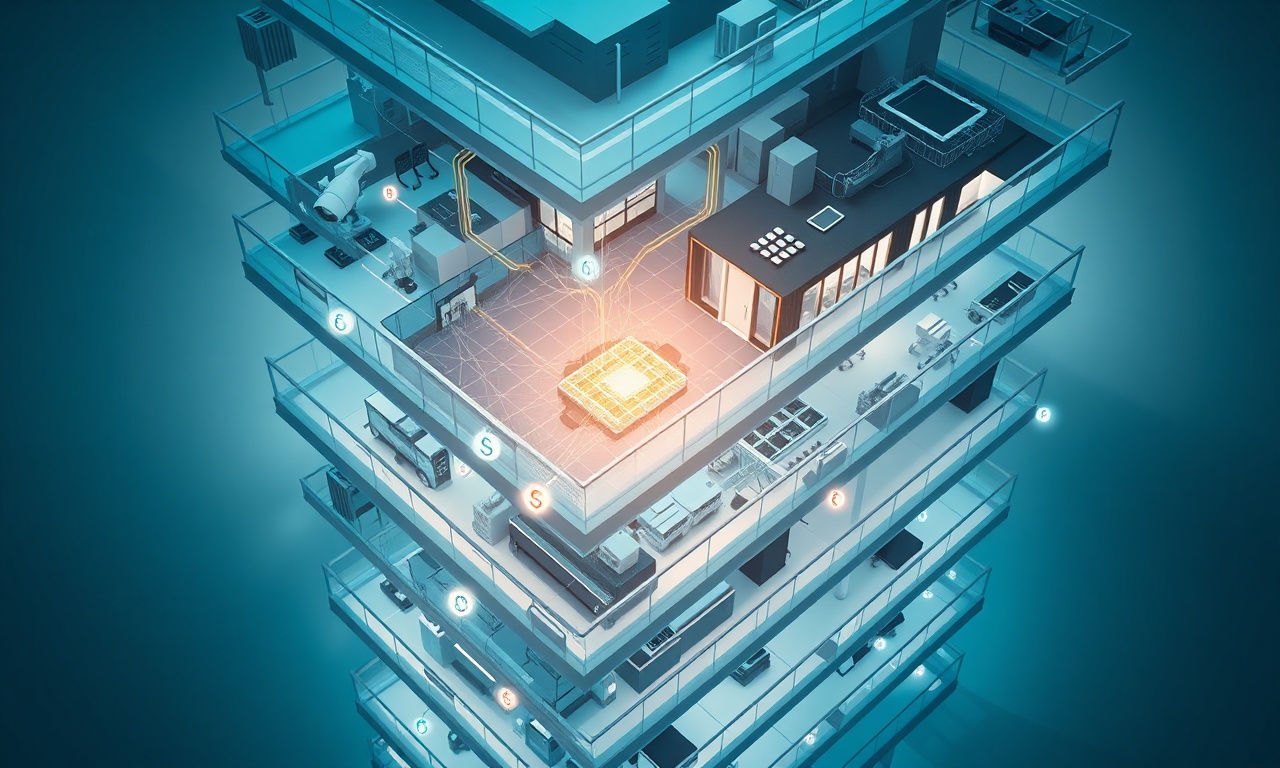
Modern buildings are complex ecosystems. Discover how integrating disparate security, safety, and building management systems into a single, unified platform can transform facility operations, enhance occupant experiences, and drive significant efficiencies.

Discover Sky-Walker, Entelec's powerful PSIM platform. 10 key questions answered about security integration, control rooms, and smart building management.

Smart buildings use technology and data to improve efficiency, comfort, and sustainability in modern infrastructure and urban environments.