Download Product Ebook
 View all our solutions
 Sky-Walker Architecture
 View all our integrations
 Book Protocol workshop
 Our Company
 Contact Us
 View All Our Case Studies
 Become a PSIM Partner
 Become a Sky-Walker PSIM partner today!
 English
 Français
 Nederlands
First Responders on the frontline: How Sky-Walker enhances safety and efficiency
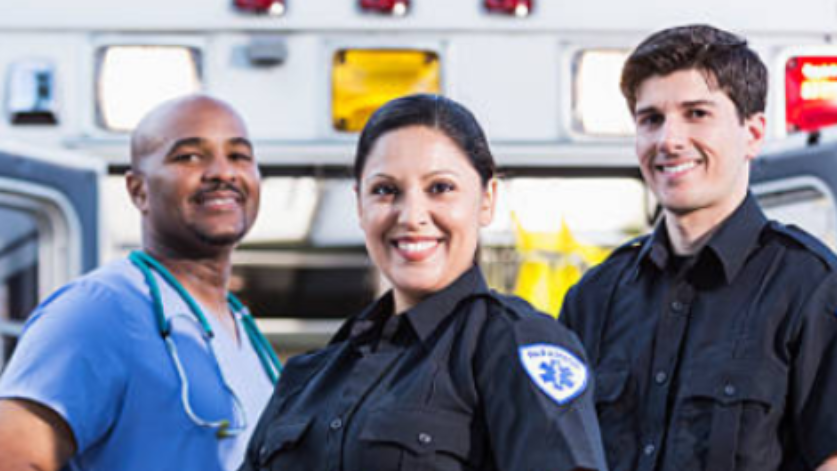
Tools that save lives
Every day, first responders put themselves in harm’s way to keep us safe. Police officers, EMTs, and firefighters face unpredictable situations where seconds matter, and accurate information can mean the difference between life and death. But with the rise of smart integration platforms like Sky-Walker, these heroes now have tools that help them make faster, safer, and smarter decisions.
Police: Staying ahead in a dynamic world
Police officers often arrive at scenes that are unpredictable and chaotic, such as crimes in progress, traffic accidents, or public disturbances. Situational awareness in real time is critical, yet limited visibility or incomplete information can increase risk and slow down action.
Key challenges for police:
Situational Awareness in Real Time:
Officers need to assess threats quickly, often without knowing the full picture.
Coordination with Multiple Teams:
Police frequently collaborate with EMS, firefighters, and other law enforcement agencies. Miscommunication can hinder response.
Ensuring Officer Safety and Accountability:
Officers face potential threats from violent individuals, weapons, or hazardous environments, while also maintaining proper documentation and legal compliance under stress.
The role of bodycams
Body-worn cameras have become a vital tool. Many police services, including those in Belgium, primarily use them for recording incidents. However, live-streaming or live-upload capable bodycams are gaining relevance, especially for high-risk interventions or when integration with broader command systems is required.
With platforms like Sky-Walker, a live-stream feed from a bodycam can be directly integrated into the control room interface. This means dispatchers and supervisors can see exactly what is happening in real time, monitor multiple officers simultaneously, and quickly highlight or flag any incidents where something goes wrong, such as escalating violence, an officer in distress, or unexpected hazards. This real-time visibility allows the command centre to coordinate faster responses, alert backup, or deploy additional resources immediately, significantly enhancing both officer safety and operational efficiency.
EMTs: racing against the clock
Emergency medical technicians (EMTs) operate under intense pressure. Their goal is to reach patients quickly, provide life-saving care, and transport them safely to medical facilities.
Types of Ambulances:
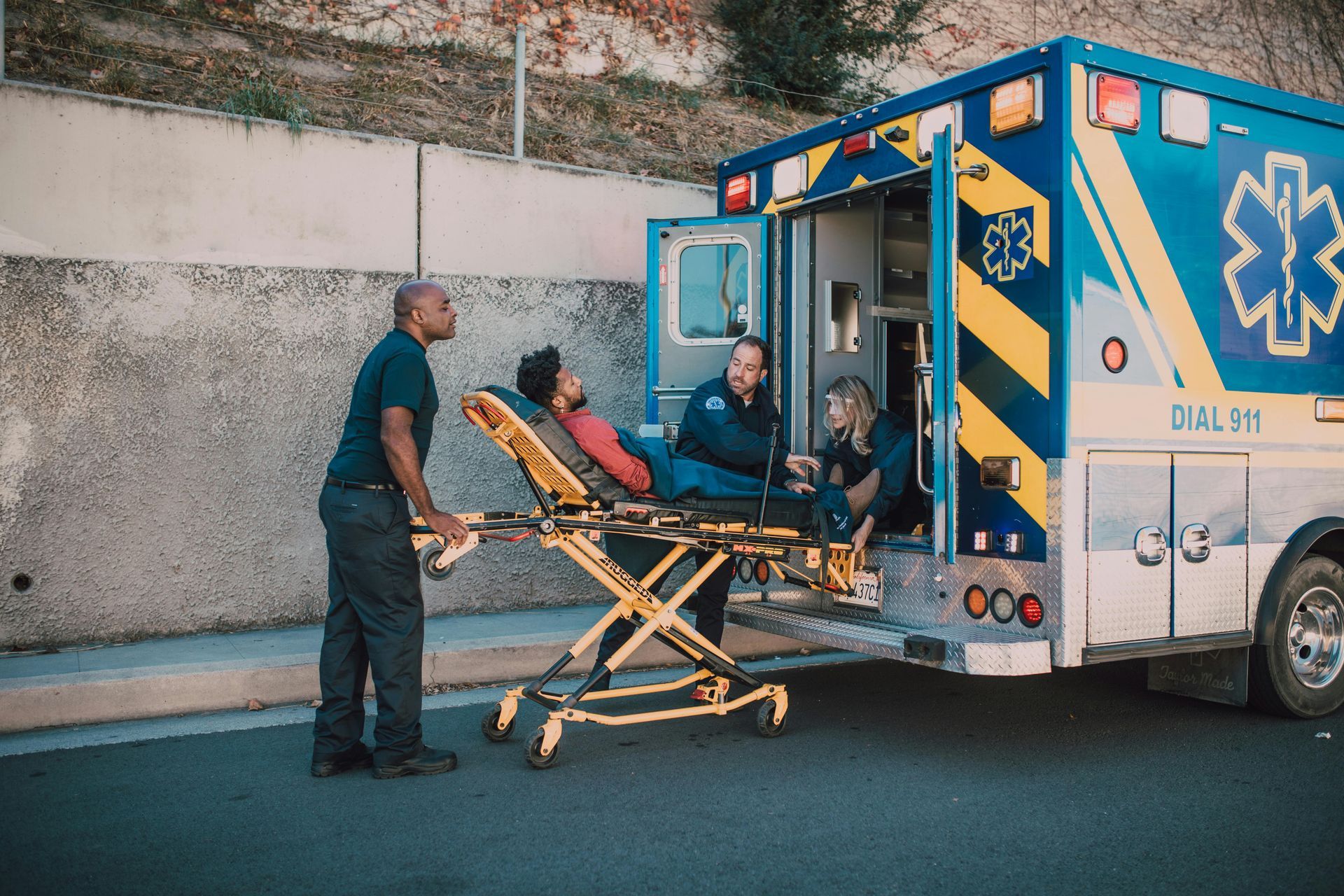
Advanced Life Support (ALS)
Mobile emergency rooms with defibrillators, ventilators, and medications.
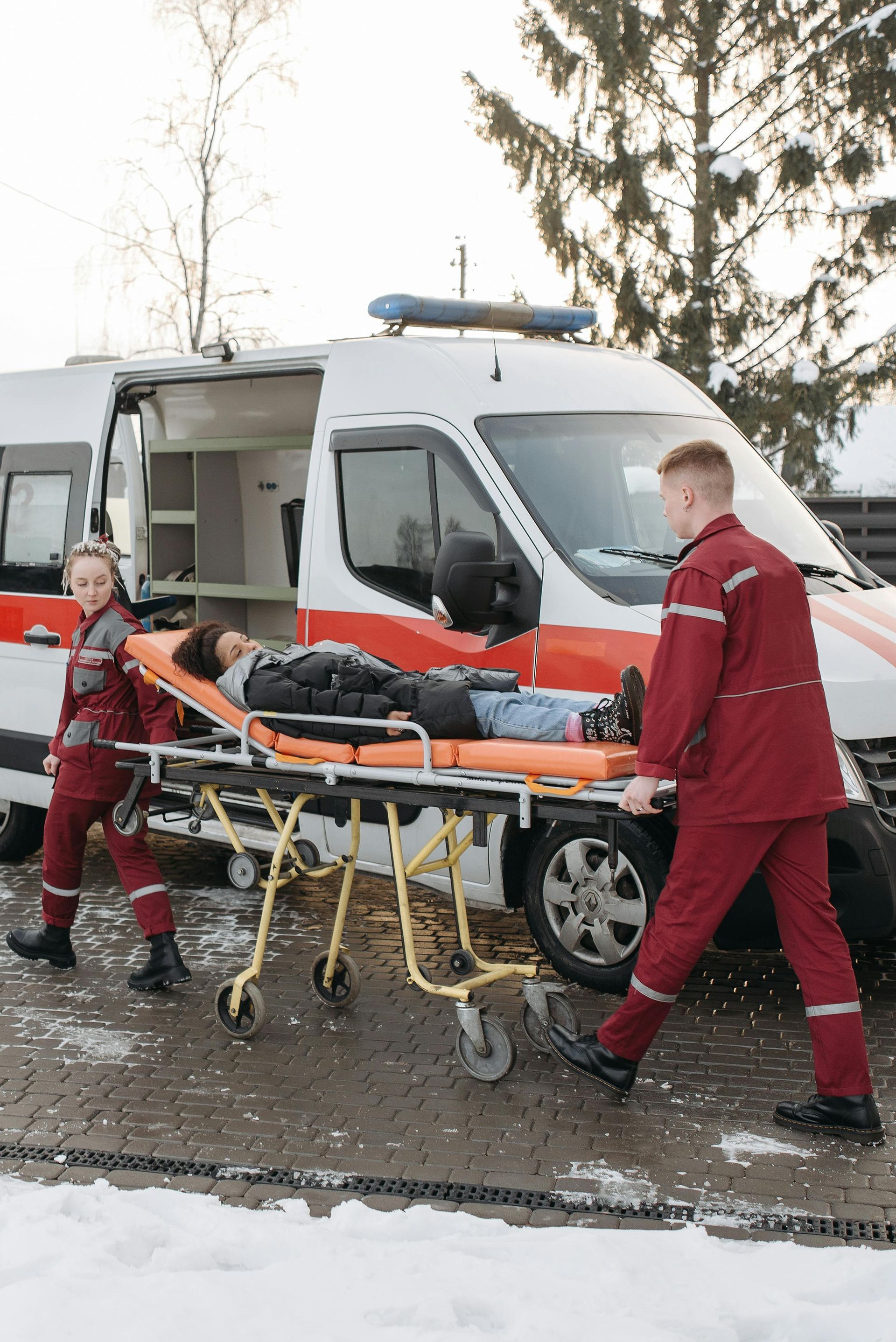
Basic Life Support (BLS)
Equipped for non-life-threatening emergencies
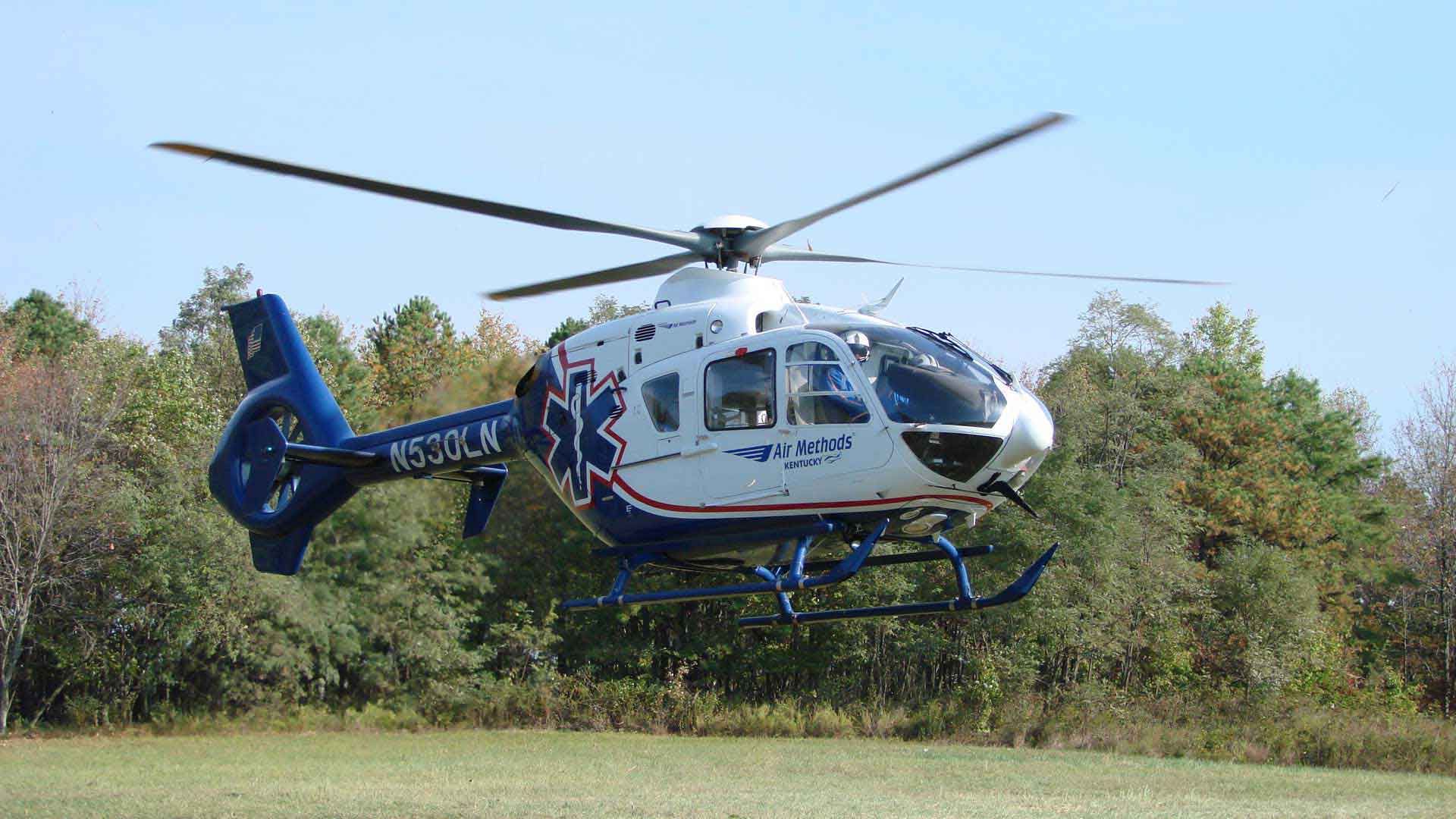
Air Ambulances
Helicopters or fixed-wing aircraft for rapid transport over long distances or difficult terrain.
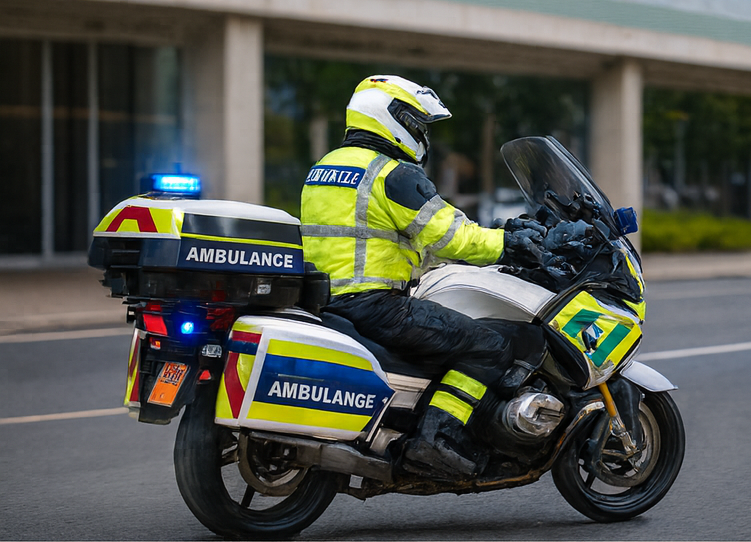
Key Challenges for EMTs:
Rapid response in uncertain conditions:
Navigating traffic, difficult terrain, or unsafe environments can delay life-saving interventions.
Limited pre-arrival information:
Dispatchers may not know the patient’s condition, scene hazards, or the number of people involved. EMTs must make split-second decisions with incomplete data.
Managing multiple patients / high-stress scenarios:
Mass-casualty events or public emergencies require triage, prioritization, and coordination with police and firefighters under pressure.
Firefighters: tackling the unknown
Firefighters face unique dangers, from extinguishing blazes to rescuing trapped individuals and managing hazards such as chemical spills or gas leaks. Their work is high-stakes and often unpredictable.
Challenges firefighters face:
Limited situational awareness:
Smoke, darkness, and complex building layouts make decision-making difficult.
Coordination with multiple teams:
Firefighters need real-time collaboration with EMS, police, building managers, and control rooms.
Access issues:
Locked doors, hazardous areas, and unclear escape routes can slow operations.
Delayed or incomplete data:
Time-critical decisions require fast, accurate information.
Dashcams: Protecting responders on the Move
Running through traffic with lights and sirens is dangerous. Unfortunately, not all drivers respect red and blue lights, increasing the risk of collisions. Many first responder vehicles are equipped with dashcams, which record journeys and incidents, helping ensure evidence is captured, stored securely, and accessible for post-incident review.
Mobile teams: speed meets strategy
Being fast is only part of the equation. First responders must be efficient and well-directed to the scene of an emergency.
The question for any control room is:
- Which team is closest?
- Which team is best equipped?
- And how can we ensure they arrive safely and quickly?
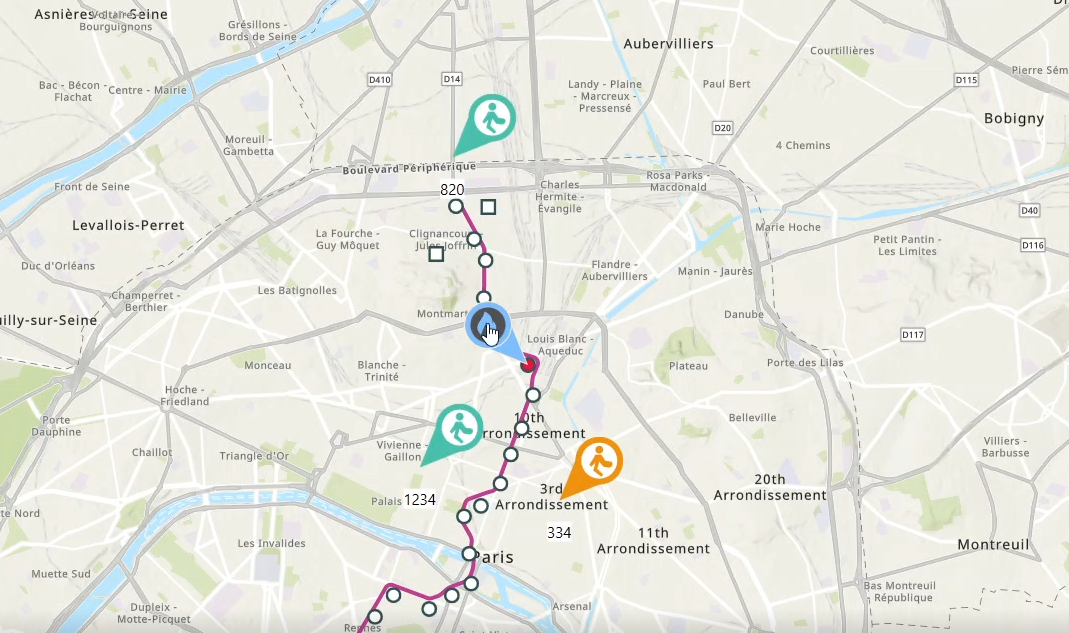
This is where platforms like Sky-Walker truly shine. By integrating GPS tracking, real-time location, and operational status of all mobile units, whether police cars, ambulances, or fire engines, Sky-Walker gives dispatchers a live, visual map of where every team is at any moment.
With this visual representation, dispatchers can:
Identify the closest available team
instantly, ensuring the fastest possible response.
Assess the capabilities
Of each unit (e.g., whether an ambulance is ALS-equipped, or a fire truck carries special rescue equipment) to match the emergency’s requirements.
Monitor traffic, road conditions, and potential hazards
along each team’s route, optimizing travel paths for safety and speed.
Coordinate multiple teams simultaneously
making sure that backup units or specialized responders are deployed effectively without overlap or confusion.
The power of this visual insight is critical in high-pressure situations. For example, during a multi-vehicle accident with casualties, dispatchers can see which ambulance is closest to the most severe patients, while simultaneously sending police to secure the scene and firefighters to handle hazards. By knowing the exact location and availability of each mobile team, the control room can make faster, smarter decisions, reducing response time, improving patient outcomes, and enhancing overall safety for first responders.
In short, Sky-Walker transforms mobile team management from reactive guesswork into a proactive, data-driven strategy. Every second saved by sending the closest, most capable unit can literally be the difference between life and death.
Sky-Walker: The digital force multiplier
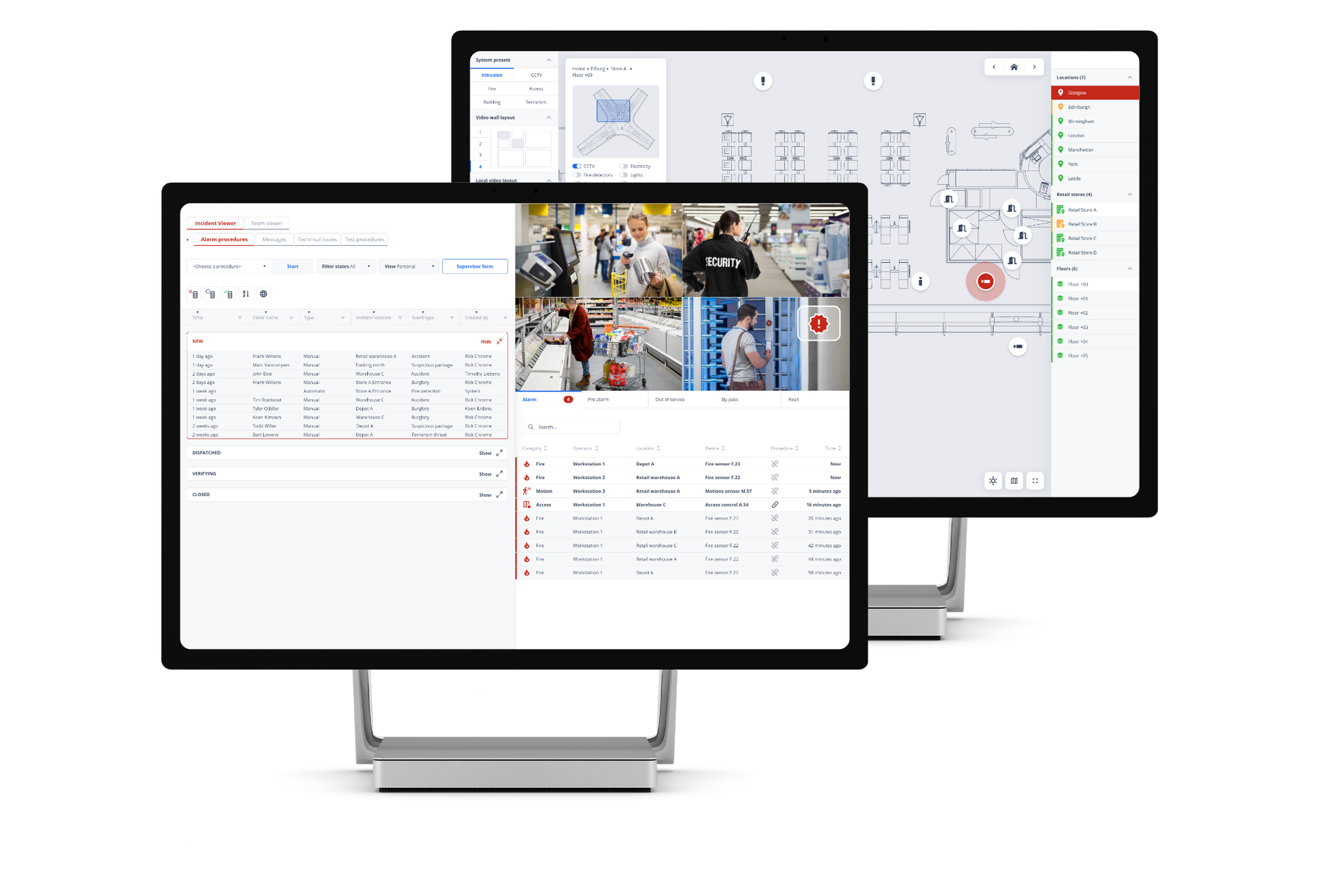
Platforms like Sky-Walker integrate alarms, bodycams, dashcams, GPS tracking, building layouts, and incident management into a single interface. This centralized command empowers first responders to:
- Monitor live scenes and incoming alerts.
- Coordinate multiple teams seamlessly.
- Make informed, rapid decisions even in high-stress situations.
- Maintain detailed logs for post-incident review and accountability.
Whether it’s police officers assessing a crime scene, EMTs racing to save lives, or firefighters navigating a burning building, Sky-Walker ensures that information flows efficiently, safety is maximized, and outcomes improve.
Conclusion
The world of first responders is unpredictable and high-pressure. By combining human courage with smart technology like Sky-Walker, these frontline heroes are better equipped to save lives, protect the public, and stay safe themselves. Faster decisions, real-time coordination, and secure data all translate into more effective emergency response and better outcomes for everyone.
Want to see Sky-Walker in action?
Other blog posts