Download Product Ebook
 View all our solutions
 Sky-Walker Architecture
 View all our integrations
 Book Protocol workshop
 Our Company
 Contact Us
 View All Our Case Studies
 Become a PSIM Partner
 Become a Sky-Walker PSIM partner today!
 English
 Français
 Nederlands
Retail trends for 2026
Retail in 2026
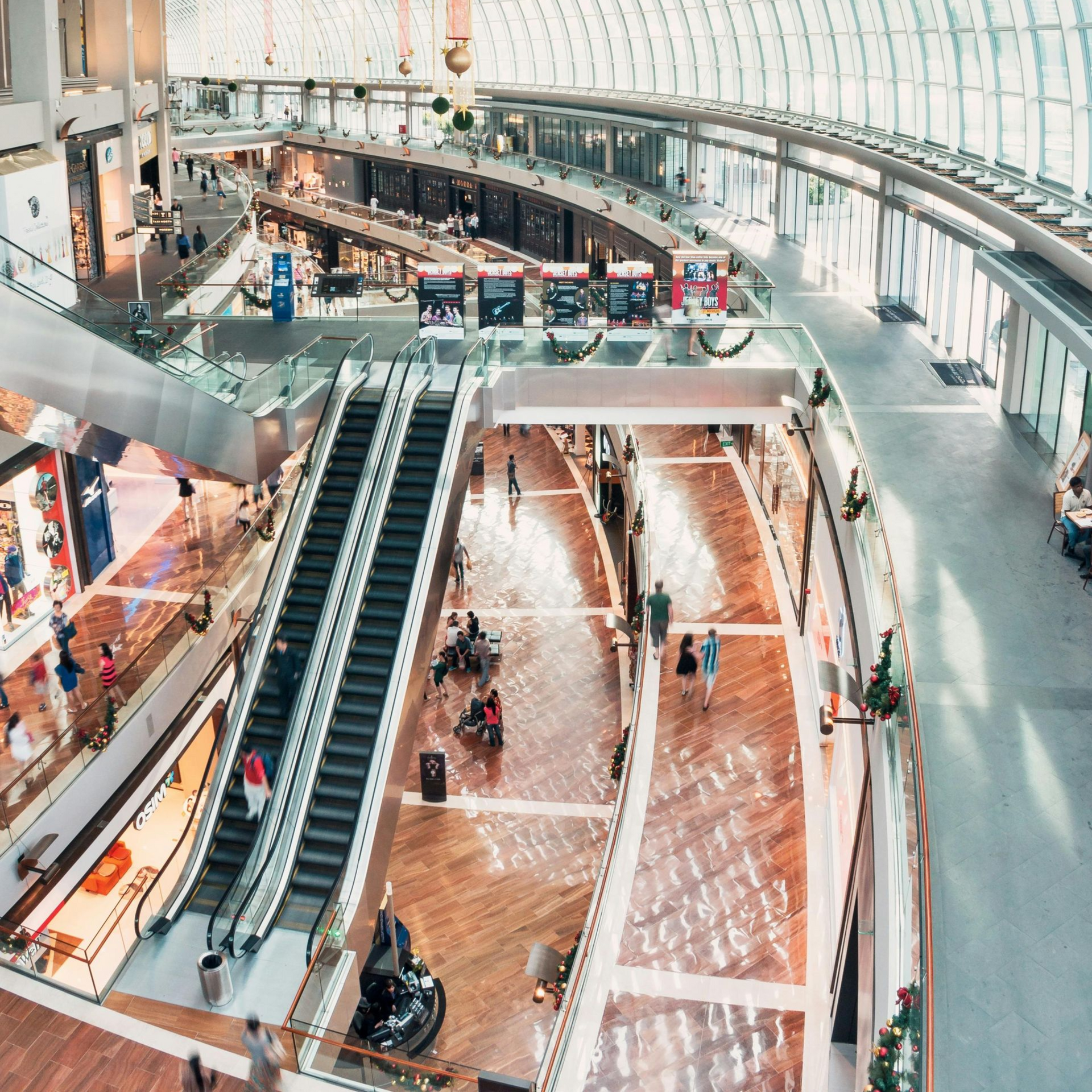
Retail in 2026 is no longer defined by a single channel, platform, or customer journey. Instead, it has become a deeply interconnected digital ecosystem where e-Commerce, social media, physical stores, logistics, and data platforms all operate as one. For software professionals, this evolution represents both a challenge and an opportunity: retail is now, more than ever, a software-driven industry.
As consumer behaviour continues to shift online without fully abandoning physical experiences, retailers must rely on scalable, secure, and flexible technology architectures to stay competitive. The winners in 2026 will not be those with the biggest storefronts, but those with the smartest systems.
The rise of social and platform-based commerce
E-commerce has evolved far beyond traditional webshops. Consumers now discover, evaluate, and purchase products directly through social platforms such as TikTok, Instagram, and Facebook. Shopping is embedded into content, livestreams, and communities, blurring the line between entertainment and commerce.
From a software perspective, this shift demands real-time integrations between social platforms, inventory systems, payment providers, and fulfillment partners. APIs, event-driven architectures, and microservices are no longer optional they are foundational. Retailers must synchronize product data, pricing, availability, and promotions across multiple channels instantly, while maintaining a single source of truth.
This omnichannel reality places high demands on backend systems. Latency, data inconsistency, or downtime directly impact conversion rates. In 2026, retail platforms must be built for continuous availability, rapid scaling, and seamless third-party integration.
What consumers are buying and why it matters
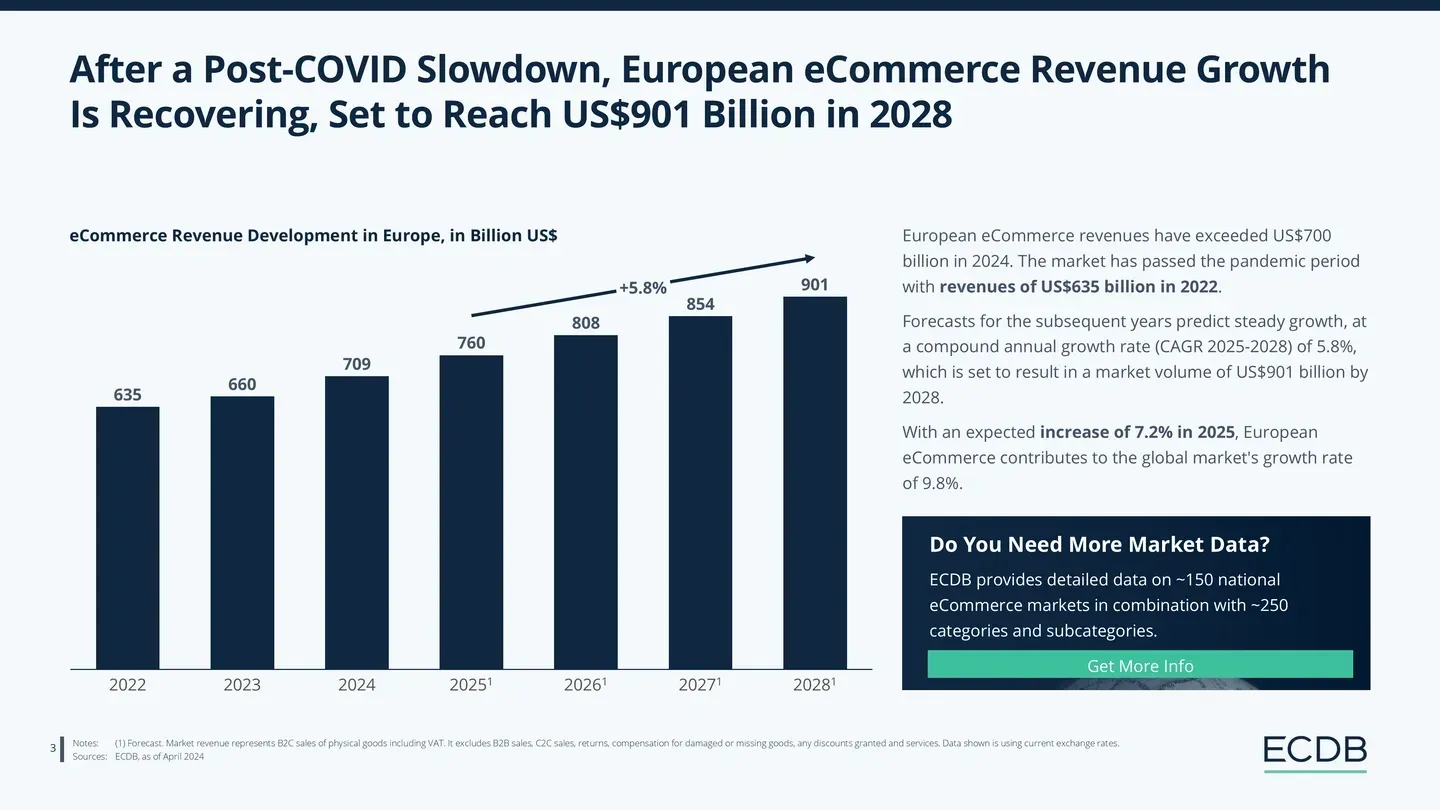
Understanding product trends is not just a marketing exercise; it directly influences system design, forecasting models, and the supply chain. Some product categories dominate online retail because they align well with digital discovery, fast fulfillment, and recurring demand.
- Shirts remain a top category due to endless variety and universal demand. This drives complexity in product information management (PIM), variant handling, and returns processing.
- Skincare continues to grow as self-care becomes increasingly mainstream across all ages and genders. This category benefits from personalization engines, recommendation algorithms, and customer data platforms.
- Makeup is constantly reinvented, with traditional gender boundaries becoming increasingly blurred. Rapid product cycles require flexible catalogue management and fast go-to-market capabilities.
- Vitamins and supplements are heavily influenced by trends on social platforms. This creates sudden demand spikes, requiring predictive analytics and resilient supply chains.
- Pants, from jeans to sweatpants, are evolving with bolder designs and seasonal shifts, increasing pressure on demand forecasting and inventory optimization systems.
Systems must ingest behavioural data, social signals, and sales performance in real time to support smarter decisions across merchandising, logistics, and marketing.
Tariffs, pricing, and the hidden complexity of global retail
Global retail in 2026 operates in a volatile economic environment. Tariffs, trade regulations, and geopolitical shifts directly affect sourcing, pricing, and margins, often with little warning.
Pricing engines need to account for fluctuating import costs. ERP and supply chain systems must support multiple sourcing strategies. Finance and analytics platforms must provide clear visibility into cost structures and profitability per market.
Most importantly, retailers must balance these pressures without passing high costs onto customers. Transparent pricing, localized strategies, and efficient operations are key and all of them depend on robust, well-integrated systems.
Customer safety, trust, and the role of technology
Despite the dominance of digital channels, physical stores remain highly relevant in 2026. Customers continue to value in-person experiences, especially when it comes to trust, service, comfort, and safety. Today’s retail journey is inherently hybrid: customers research online, experience products in-store, and complete purchases across multiple touchpoints.
This shift introduces new challenges for retailers at a technological level. Identity management must span both digital and physical environments, while data security and privacy must be consistently enforced. Customers expect seamless experiences across channels, but they also expect their data to always be protected. As a result, zero-trust architectures, secure authentication, and compliance with evolving regulations are no longer optional; they are fundamental to modern retail infrastructure.
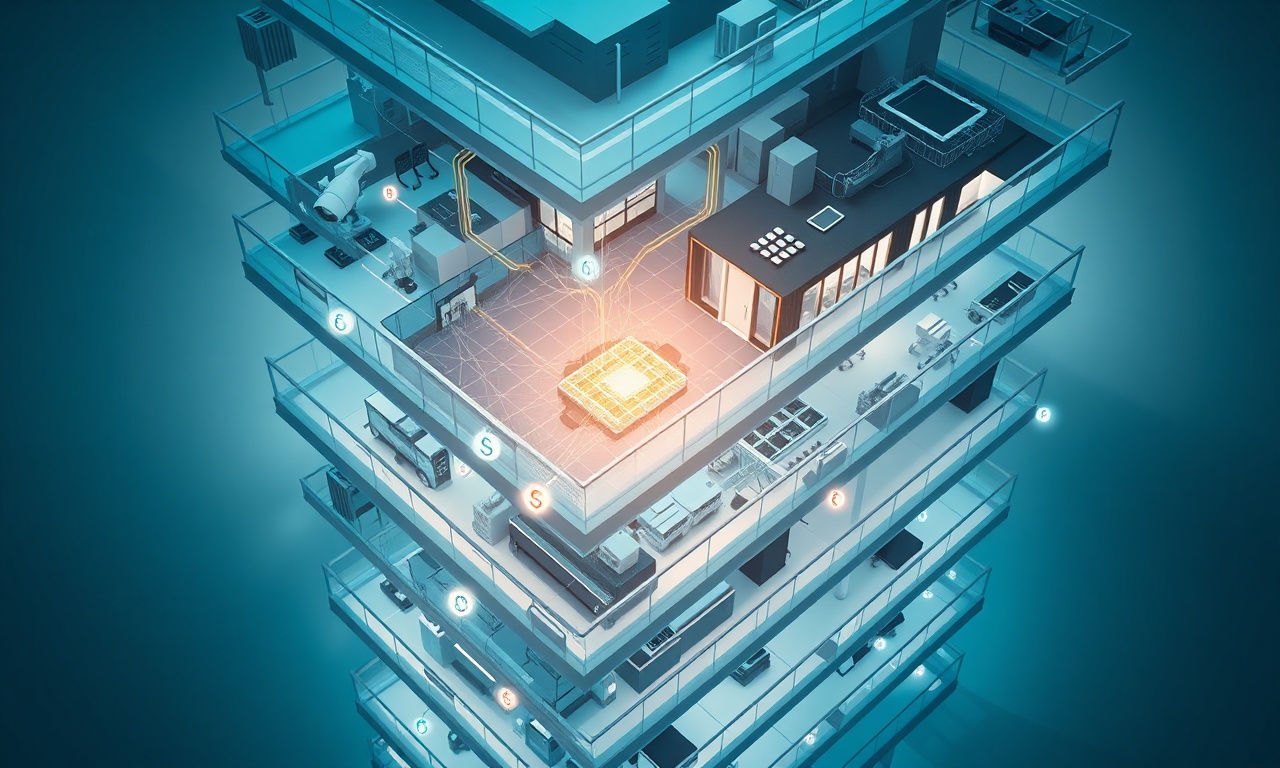
At the same time, physical retail locations are evolving into smart buildings. A smart building “thinks” by connecting security, safety, and comfort systems into one intelligent ecosystem.
A smart building integrates three core system domains:
- Safety systems, such as fire detection, fire protection, and sprinkler installations
- Security systems, including CCTV, access control, and intrusion detection
- Comfort systems, such as HVAC and lighting
When these systems are connected through a central smart building management platform, the store becomes significantly more efficient than a traditional building. Energy consumption can be optimized in real time, operating costs reduced, and customer comfort improved all while maintaining high levels of safety and security.
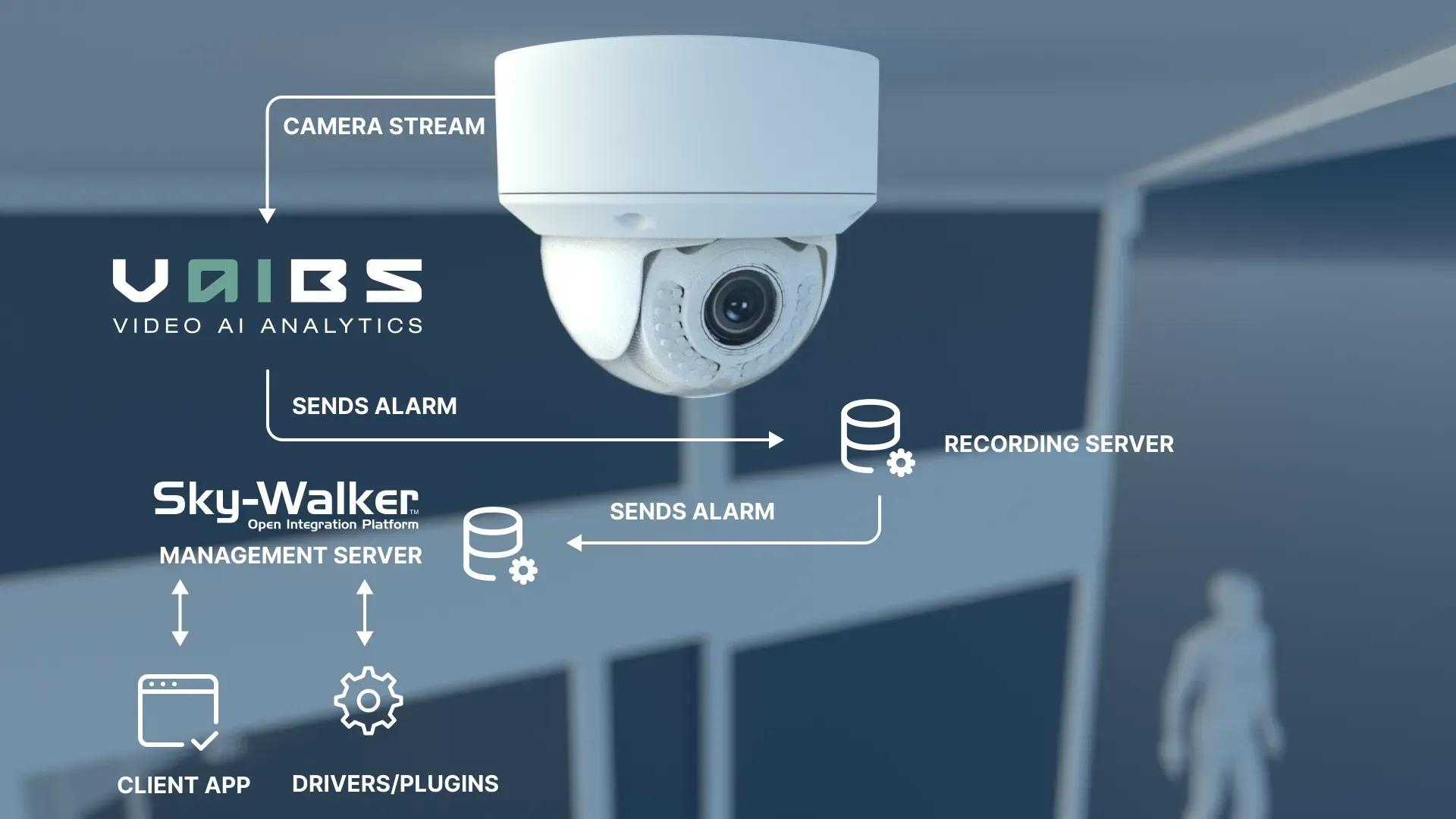
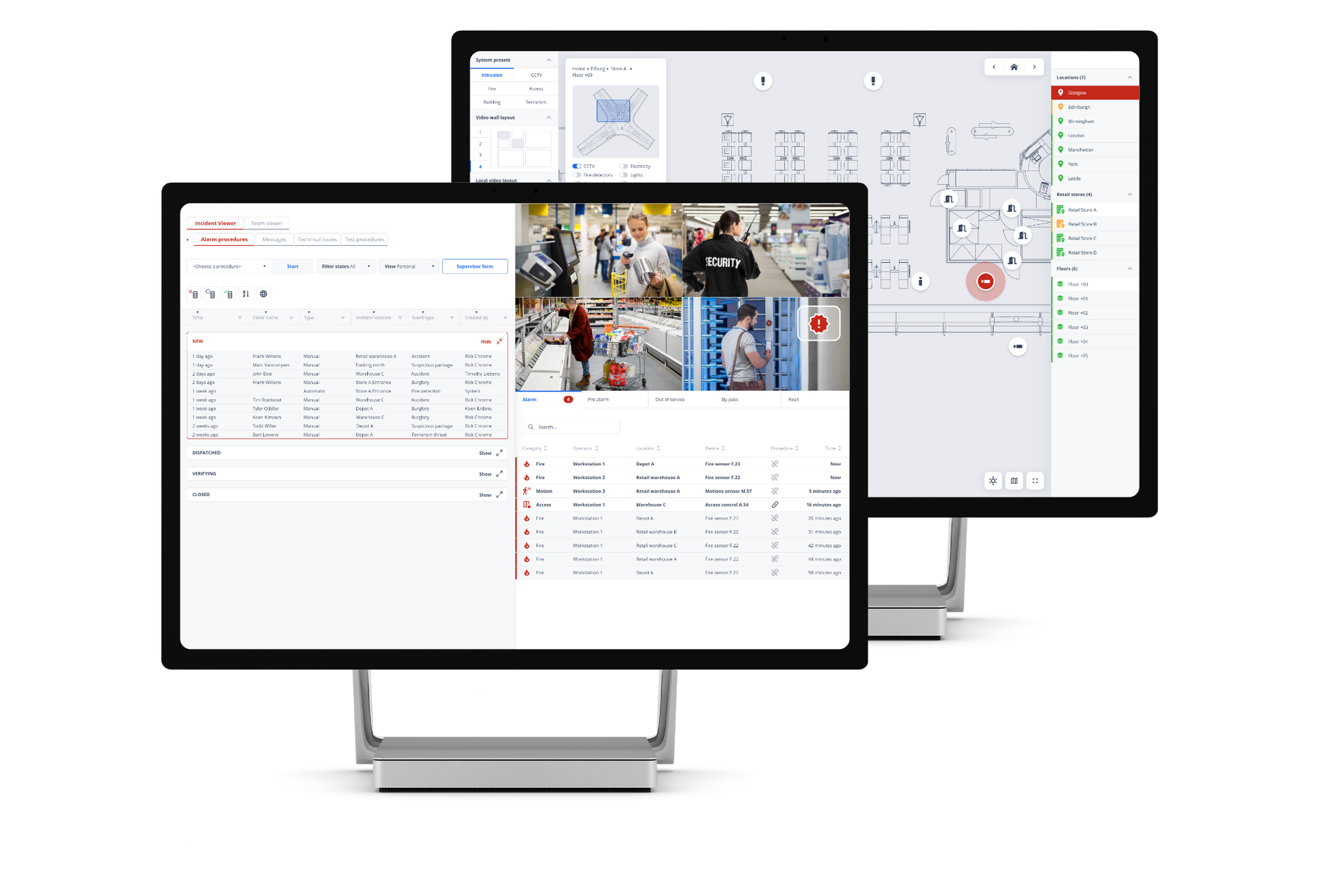
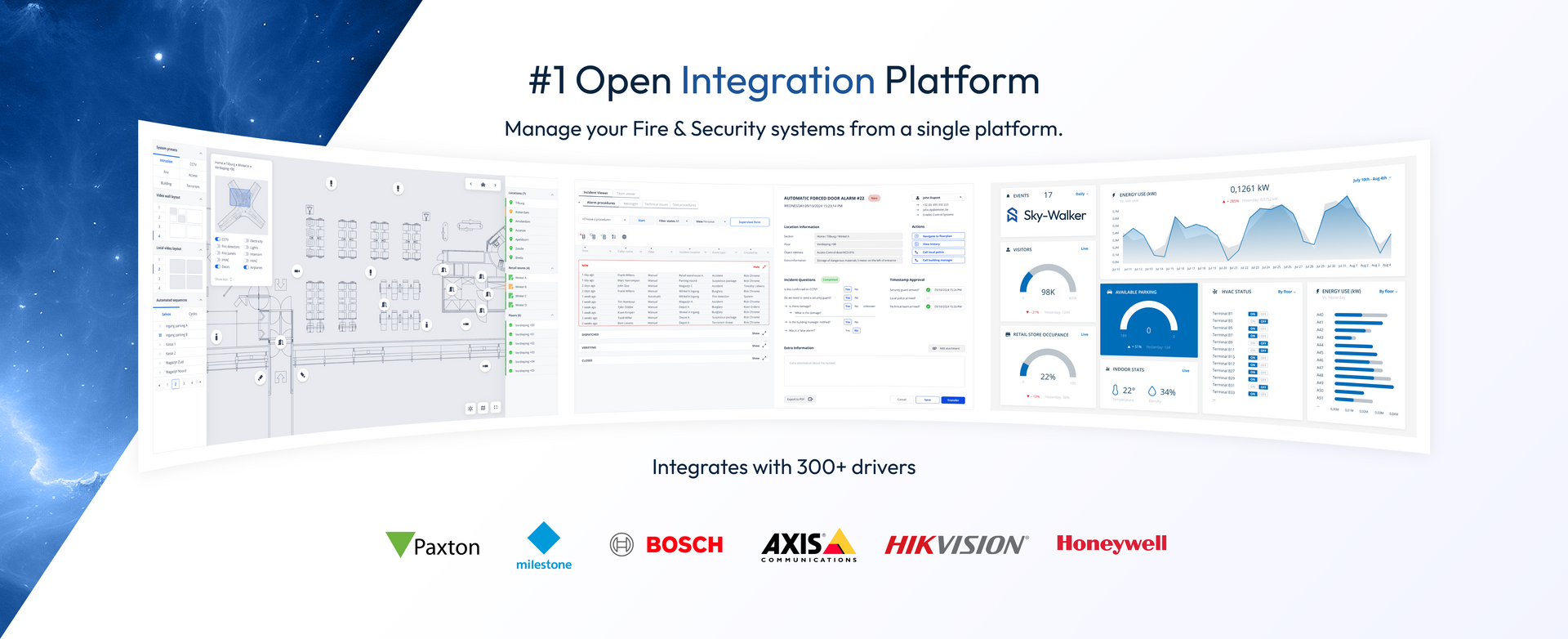
This is where Sky-Walker, Entelec’s smart building integration platform, plays a key role. Sky-Walker connects all building systems into a single, centralized platform, allowing retailers to monitor and control their stores from one location. In some cases, operators can intervene when decisions are required, but in many scenarios the platform operates autonomously.
By turning retail stores into smart buildings, Sky-Walker enables safer environments, smarter energy usage, and more responsive store operations. The result is a physical retail experience that complements digital commerce: secure, efficient, comfortable, and ready for the expectations of customers in 2026.
The retail tech stack of 2026
By 2026, successful retailers will no longer built on monolithic systems. Instead, they rely on modular, composable architectures that allow them to adapt quickly. Key characteristics of the modern retail tech stack include:
- Cloud-native platforms for scalability and resilience
- API-first design for rapid integration with partners and channels
- Event-driven systems for real-time responsiveness
- Advanced analytics and AI for forecasting, personalization, and automation
- Strong security and governance embedded by design
For IT leaders and software engineers, retail has become one of the most demanding and rewarding industries to work in. It combines high transaction volumes, complex integrations, real-time decision-making, and constant innovation.
Looking ahead
Retail in 2026 is not about technology for technology’s sake. It is about using software to create efficient operations, meaningful customer experiences, and resilient business models in an increasingly complex world.
At Entelec, we see retail as a prime example of how software architecture, integration, and data strategy directly shape business success. The retailers that thrive will be those who invest not only in front-end experiences, but in the systems that power them behind the scenes.
Want to learn more?
Read our e-book to discover how Sky-Walker helps retailers make their stores more efficient, or plan a demo to see how the right software foundation can prepare your business for the future of retail.
Want to see Sky-Walker in action?
Other blog posts

From Detection to Resolution: How Integrated Incident Management Platforms Elevate Security Response