


 Download Product Ebook
 View all our solutions

 Sky-Walker Architecture
 View all our integrations
 Book Protocol workshop
 Our Company
 Contact Us
 View All Our Case Studies
 Become a PSIM Partner
 Become a Sky-Walker PSIM partner today!
 English
 Français
 Nederlands
How does PSIM differ from VMS?
Marketing Entelec • February 26, 2021

The VMS (Video Management System) might be the most known security related management system out there. It is the system that even most non-security professionals know about. The Video Management System centrally connects and manages multiple CCTV (Closed Circuit Television) cameras.
In this paper we take a closer look at what the VMS is all about, and how it has its similarities and differences with a lesser known, but more powerful security management system, the PSIM (Physical Security Information Management) platform. Both management systems run on a software application. Therefore, be sure to keep in mind that when we’re talking about a VMS or PSIM platform that we’re actually talking about a software application.
Our goal is to give more insight on both management systems, as well as explain which of the two you should choose to implement.
CCTV is not the only security system
To start off, we take a closer look at the need for integrating security systems in general in a central management system or platform. Physical security of buildings and multi-sites will always be important as it is the primary way of defending an organisation against theft, violence, vandalism and so on. There are many types of systems to enable an organisation to take measures in order to control their security risks.
Some of the most used security systems are for example:
• CCTV (Closed Circuit Television)
• Access control (badge readers, entrance codes…)
• Intrusion detectors (door contacts, window contacts, broken window sensors…)
• Intercom / IP Phones
• Automated barriers
• Perimeter detection
As you can see, there are a lot of systems available to secure physical assets and buildings. Efficiently managing them can become quite the complicated task, especially in larger buildings and multi-site, multi-location organisations.
CCTV in particular is one of the most important security systems. Because of the nature of CCTV systems, with multiple camera’s, live video feeds, recordings etc., they are almost always connected to a VMS platform. This as a way of centrally managing all these cameras in one interface. Se let’s dive a little deeper in what VMS software is all about.
The Video Management system (VMS)
When looking at the name, the Video Management System (VMS) is almost self-explanatory. It is a system capable of managing all the video equipment in an organisation. It captures CCTV footage and displays them on a video screen or videowall (or both). This way, security operators are able to notice quickly if there are any problems or incidents.
In the early days of CCTV, a VMS was only capable of handling one camera at a time. Most VMS systems today are designed, however, as open platforms. This allows several different camera types and brands, often in large numbers to be connected. Cameras also have various additional ways of use like for example a built-in video processing. The VMS must be programmed to monitor these additional functions of the cameras.
Some VMS platforms are even capable of having different types of alarm inputs that are linked with associated systems such as DVR’s or access control systems. The VMS can sometimes also monitor particular functions in cameras, including motion detection and video analytics, which are more complex.

Can VMS be part of the larger, more extensive PSIM platform?
The answer is yes. In the first chapter, a list was provided with all sorts of security platforms. Nowadays, with the Internet of Things, new technologies and so on, more and more systems are added to the jungle of systems in organisations. And not only security systems but also safety, building and comfort systems.
Using only a VMS is therefore often not really suited for an organisation of a bit of a larger scale. Larger organisations, with extensive security and safety protocols, are therefore better off with a PSIM platform.
A PSIM (Physical Security Integration Management) software platform is a platform that integrates all security-, safety- and building-related systems of a building, multi-site area, venue etc. into one, intuitive interface. Using extensive analysis in combination with strong reporting capabilities, operators are able to quickly act in case of incidents, guided by pre-defined workflows. The ultimate goal of a PSIM software platform is to reduce costs as a result of improved efficiency, comfort, security, and safety.
One of the key strengths of the PSIM platform is its ability to easily integrate and manage multiple systems, including CCTV and thus the VMS. In our own PSIM platform Sky-Walker for example, a set-up can be made in which only our IP Matrix is used in order to replicate the workings of a VMS. However, that would be unfortunate, as the capabilities of the PSIM platform are much wider.

Which platform should you opt for?
There are many scenarios where it is best to implement only a VMS platform. VMS users want to have the ability to manage systems from a video perspective. This system is ideal for users that have a heavy surveillance focus. Users searching for a good system that provides camera surveillance that they need to access regularly will therefore be satisfied. VMS is used mostly on its own in smaller organizations like for example a store or a gas station. With the use of VMS, the storeowners can keep track of their customers. High surveillance users such as casinos, whose safety personnel actively accesses video around the clock, would also be a classic example.
What both systems have in common is that they can be integrated with other devices. Many VMS systems can be integrated with other security systems such as intrusion, access control and POS systems etc. However, it’s only the lower end type of systems that can be integrated with CCTV in this case. Both are fantastic solutions that will help render sense in today's physical security climate. Both systems help operators keep track of numerous streams of data.

The job of a PSIM platform however is to converge the elements of a company into a very smart software layer, which exists over other management structures. This layer resides on top of other management systems. The core component of PSIM is its ability to incorporate large diverse subsystems and its interoperability with third parties outside ordinary video management systems. PSIMs are also suitable for organizations with many different processes in many places.
PSIMs are commonly known for being better suited for large corporations but it is breaking away from that stereotype. In the world we live in today, smaller companies are also looking for a PSIM platform that can cater to their needs. At its cores, the PSIM is an IT-based system. It does not focus on a single system, such as video, to perform the role of the primary system, but rather aggregates data from various, apparently different systems to establish a broad, holistic view for operators.
PSIM can handle multiple video systems, multiple access control systems, radar systems, building maintenance systems, elevators, weather feeds, national threat level statistics, and many other types of systems and related data. Usually, this kind of large capability is not achievable with the conventional VMS platform.
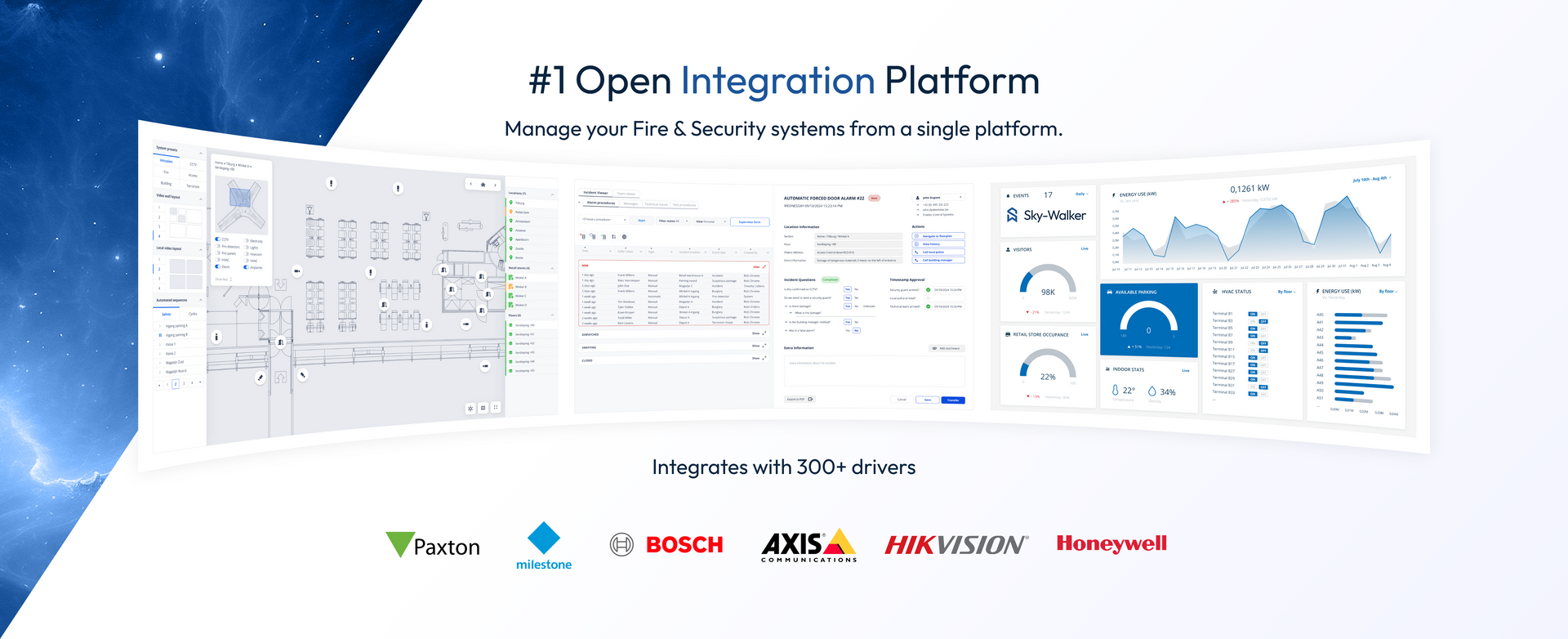
Other blog posts
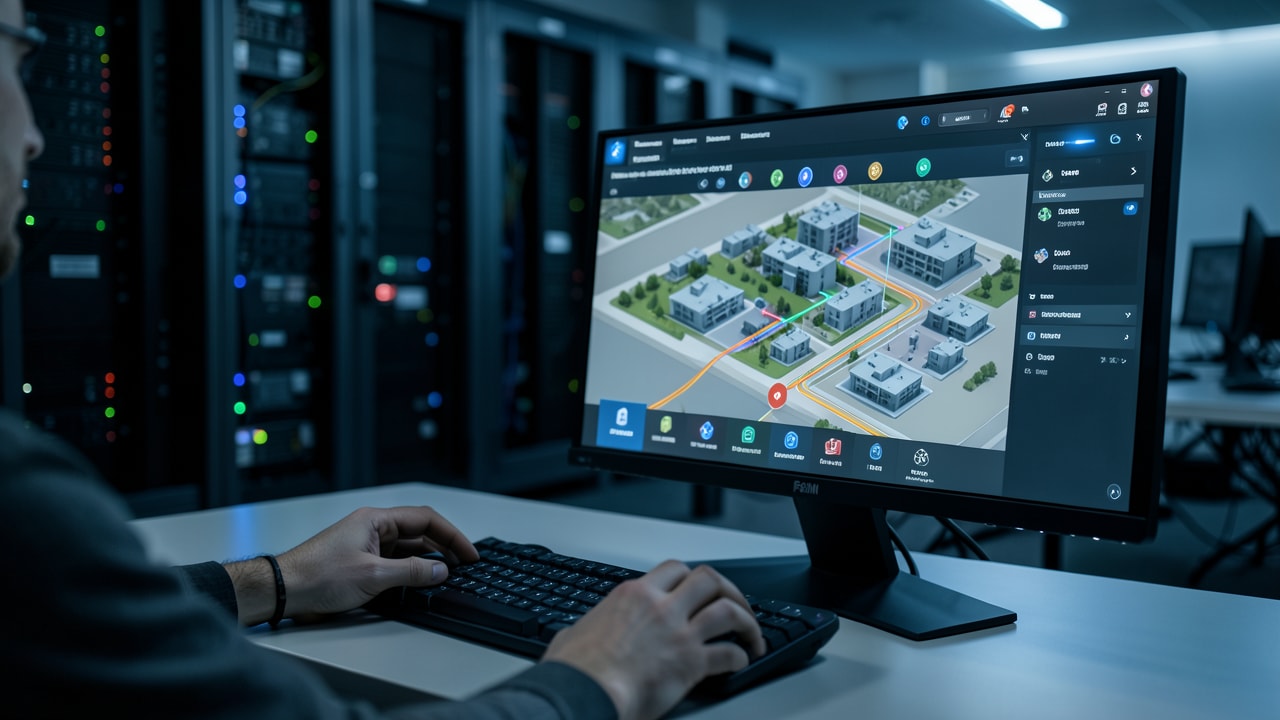
False alarms drain resources, create fatigue, and obscure real threats. Discover how PSIM software centralizes intelligence, enhances situational awareness, and empowers security teams to shift from reactive responses to proactive management, ensuring faster, more effective incident resolution.
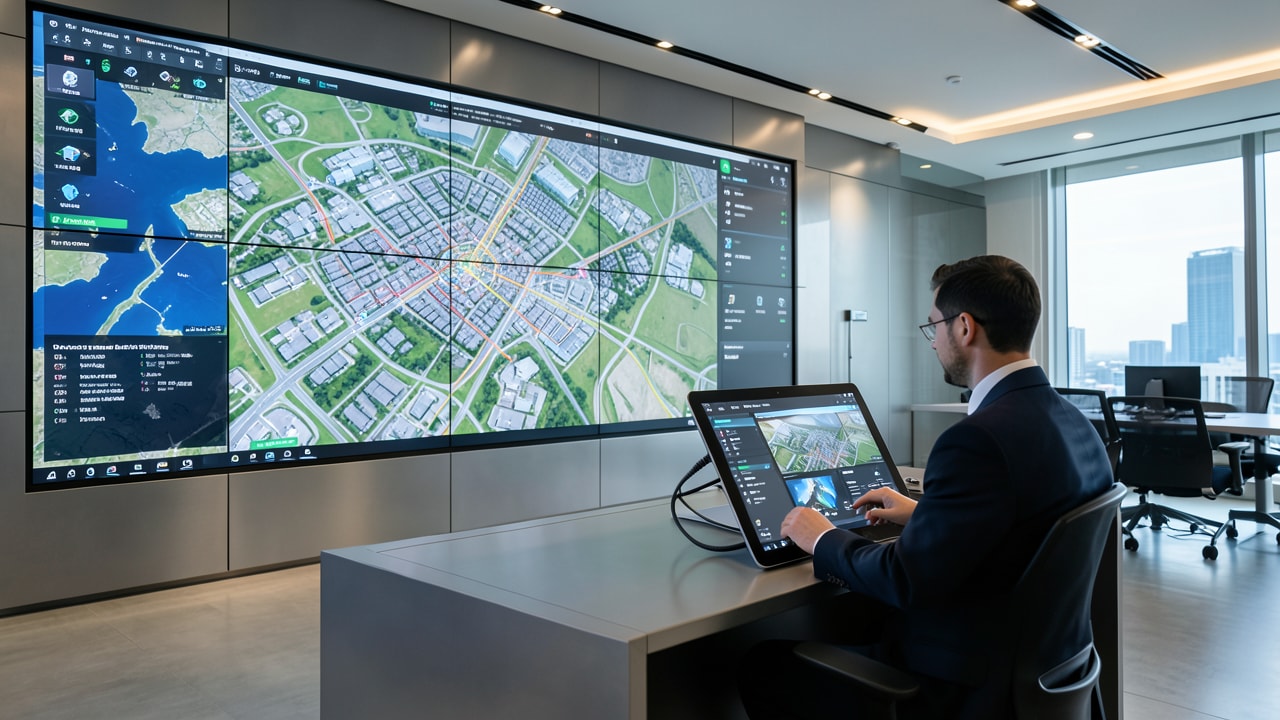
Security integrators and installers face evolving demands for unified, scalable solutions. Discover how leveraging open integration platforms (PSIM) enables you to deliver comprehensive security and building management, overcome vendor lock-in, and drive significant business growth.
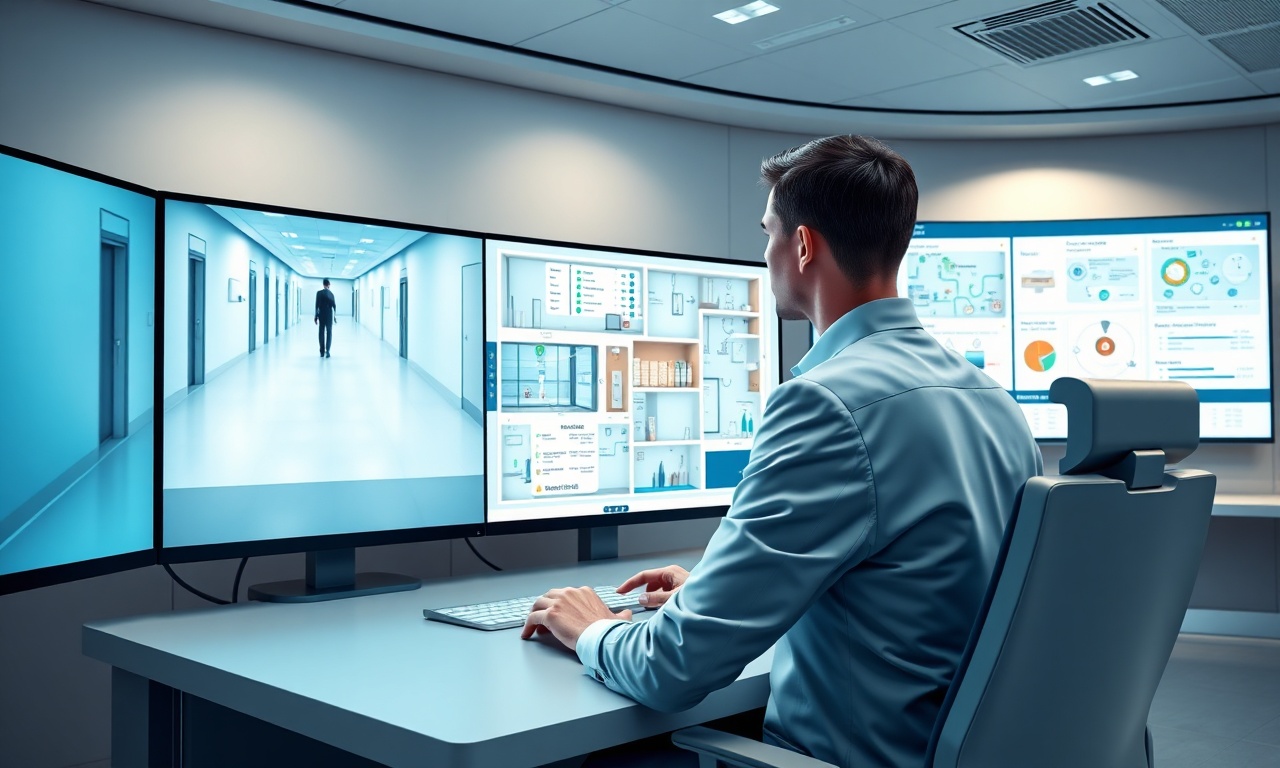
Healthcare facilities present complex security, safety, and operational challenges. Discover how unifying disparate systems with an integrated platform improves patient safety, protects assets, and ensures seamless operations.
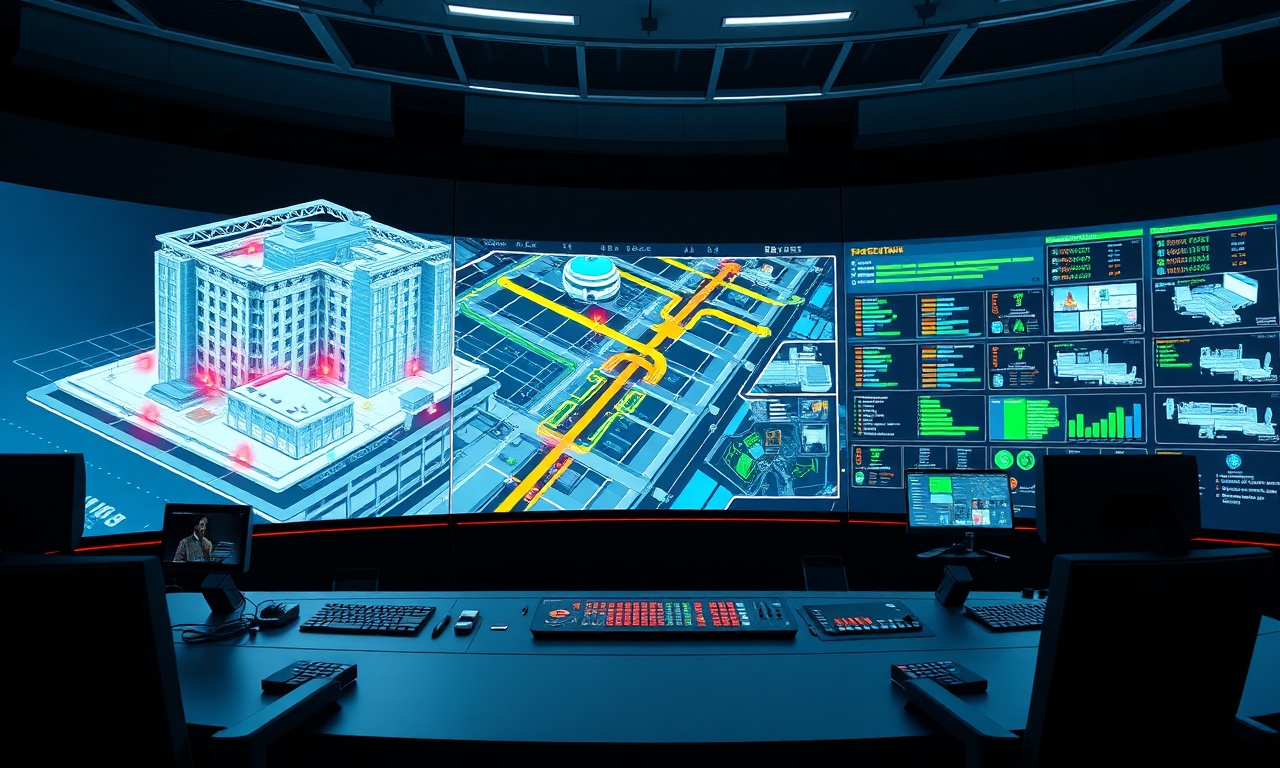
When fire strikes, every second matters. Discover how integrating fire detection, safety, and communication systems into a unified platform can drastically improve emergency response coordination, enhance situational awareness, and protect lives and assets.

Industrial facilities face unique security and safety challenges across vast, complex sites. Discover how integrating Geographical Information Systems (GIS) with PSIM platforms provides unprecedented situational awareness, streamlines incident response, and boosts operational efficiency for industrial managers.

From Detection to Resolution: How Integrated Incident Management Platforms Elevate Security Response
Security incidents demand rapid, coordinated action. Discover how an integrated incident management platform centralizes alarms, standardizes procedures, and fosters seamless collaboration, empowering security managers to achieve faster response times and more effective resolutions.
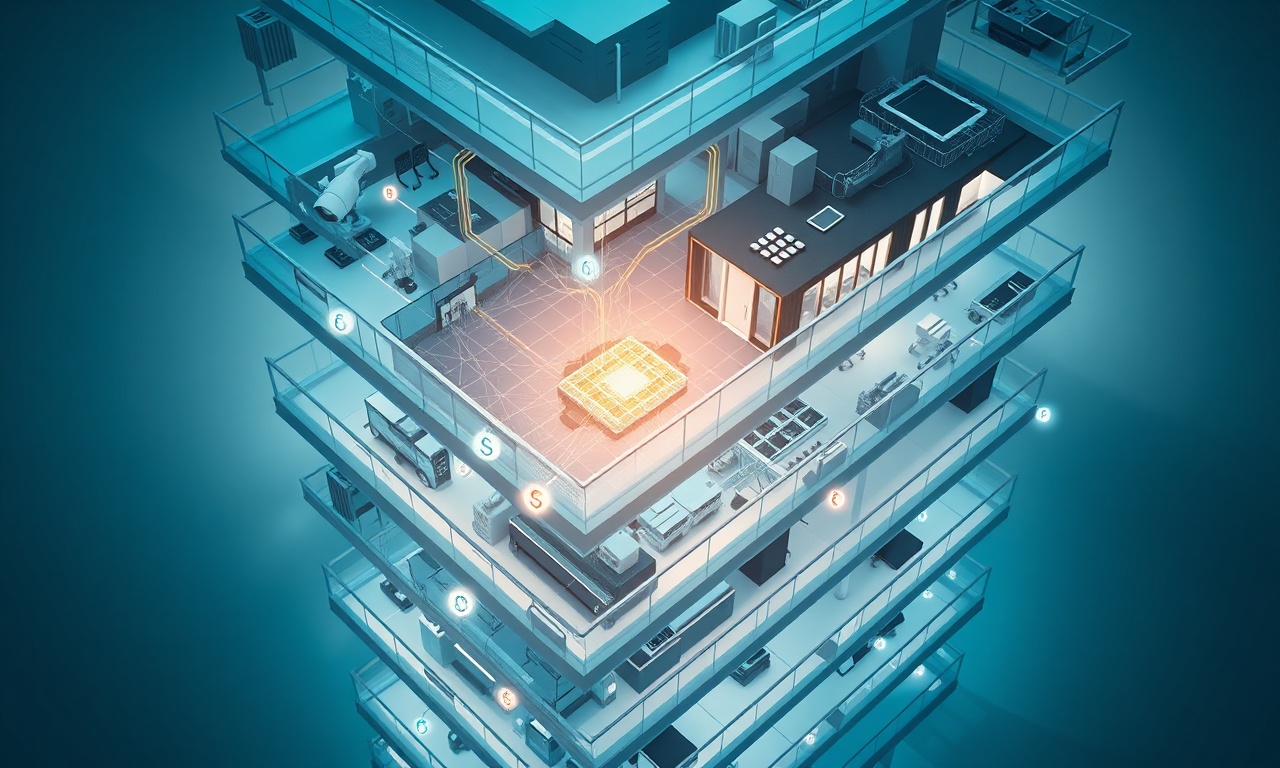
Modern buildings are complex ecosystems. Discover how integrating disparate security, safety, and building management systems into a single, unified platform can transform facility operations, enhance occupant experiences, and drive significant efficiencies.

Discover Sky-Walker, Entelec's powerful PSIM platform. 10 key questions answered about security integration, control rooms, and smart building management.
Smart buildings use technology and data to improve efficiency, comfort, and sustainability in modern infrastructure and urban environments.