Download Product Ebook
 View all our solutions
 Sky-Walker Architecture
 View all our integrations
 Book Protocol workshop
 Our Company
 Contact Us
 View All Our Case Studies
 Become a PSIM Partner
 Become a Sky-Walker PSIM partner today!
 English
 Français
 Nederlands
Critical Seconds Count: Enhancing Fire Emergency Response with Integrated Platforms
The Unseen Challenge of Disconnected Fire Safety
In any facility, fire is a threat that demands immediate, coordinated action. While advanced fire detection and suppression systems are often in place, the challenge frequently lies not in their individual capabilities, but in their isolation. Disconnected systems – from smoke detectors and sprinklers to access control and public address – operate as independent silos, preventing a holistic view and hindering rapid, decisive emergency response. This fragmentation can lead to critical delays, miscommunications, and a reactive approach when every second counts.
Why Disparate Systems Compromise Emergency Response
Imagine a fire alarm sounding in a large building. In a disconnected environment, this single alarm might trigger a local siren, but fail to automatically unlock critical evacuation routes, activate ventilation systems, or notify security personnel with precise location data. Operators may need to switch between multiple applications to identify the alarm source, verify the situation via CCTV, and then manually initiate other safety protocols. This not only burdens staff but also introduces human error and extends the response time – a luxury no organization can afford during a fire emergency. The lack of centralized oversight also complicates communication with first responders, who rely on accurate, real-time information for effective intervention.
The Power of Integrated Fire Management
An integrated PSIM software platform fundamentally transforms fire emergency response. By bringing together all fire detection systems (like Notifier by Honeywell or FireFinder Plus by Ampac), fire suppression, access control, video management, and communication systems into a single, unified interface, it creates a seamless flow of information and automated actions. This eliminates the need for operators to juggle multiple screens and provides a comprehensive, real-time operational picture. The result is a proactive, coordinated response that significantly reduces the impact of a fire incident.
Key Benefits of a Unified Approach to Fire Safety
Integrating your fire management software with other security and safety systems offers numerous advantages:
Centralized Monitoring and Enhanced Situational Awareness
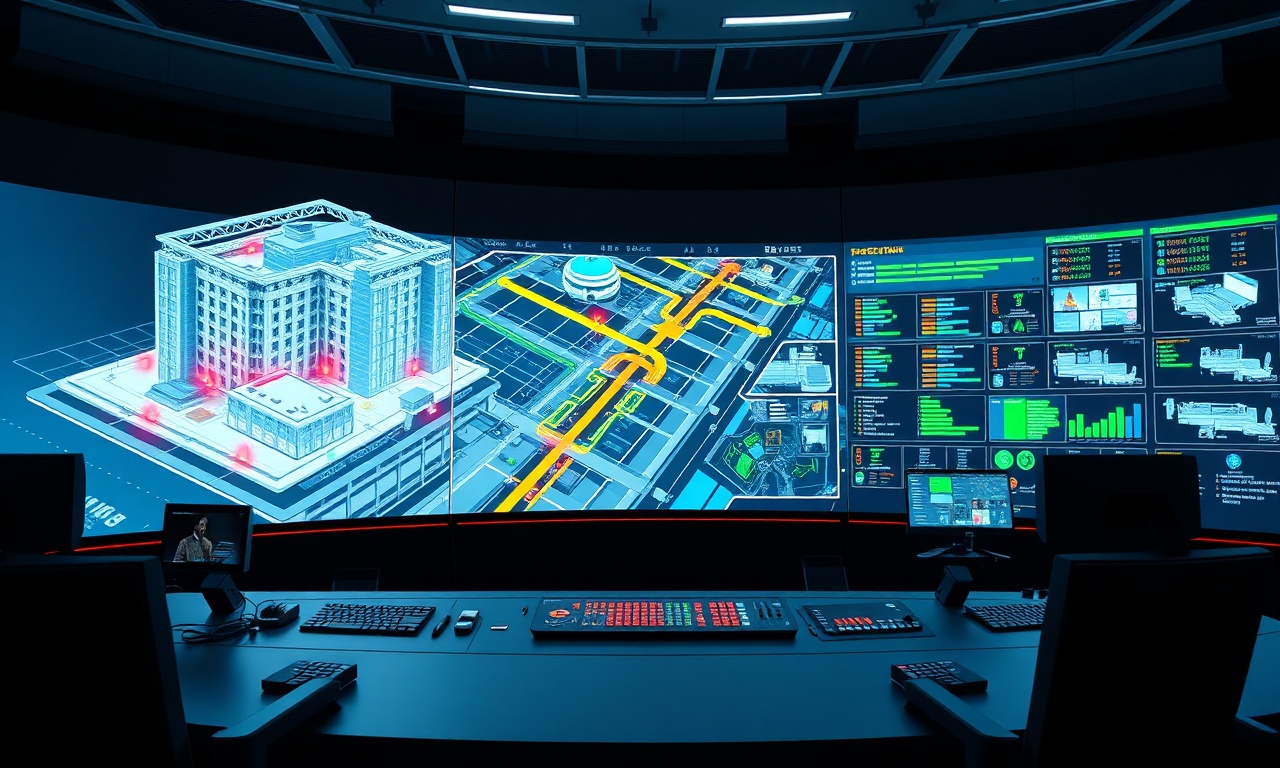
A unified platform provides a centralized control room with an immediate, clear overview of all fire-related events. When an alarm is triggered, the system can instantly display its exact location on a floor plan, pull up relevant camera feeds, and highlight the status of associated systems like ventilation or access points. This eliminates ambiguity and empowers emergency management professionals with the crucial situational awareness needed to make informed decisions rapidly.
Streamlined Incident Management and Automated Workflows
Integrated platforms allow for the creation of pre-defined workflows and automated responses to fire alarms. For instance, upon detection, the system can automatically unlock emergency exits, activate smoke extraction systems, and send immediate notifications to relevant personnel and first responders. This streamlines the incident management process, reducing manual intervention and ensuring consistent, rapid execution of safety protocols.
Enhanced Communication and Coordination with First Responders
Effective communication is paramount during an emergency. An integrated platform can provide first responders with real-time access to building layouts, alarm locations, and the status of various safety systems, either through dedicated interfaces or secure data feeds. This invaluable information allows them to assess the situation more quickly, plan their approach, and coordinate their efforts with greater efficiency, ultimately leading to faster and safer outcomes.
Improved Decision-Making with Real-Time Data
By correlating data from various safety systems, decision-makers gain a richer understanding of unfolding events. Real-time visual verification via integrated video management systems, combined with sensor data, enables more accurate assessments and allows for dynamic adjustments to response strategies as the situation evolves. This data-driven approach minimizes guesswork and supports confident decision-making under pressure.
Sky-Walker: Your Platform for Integrated Fire Emergency Response
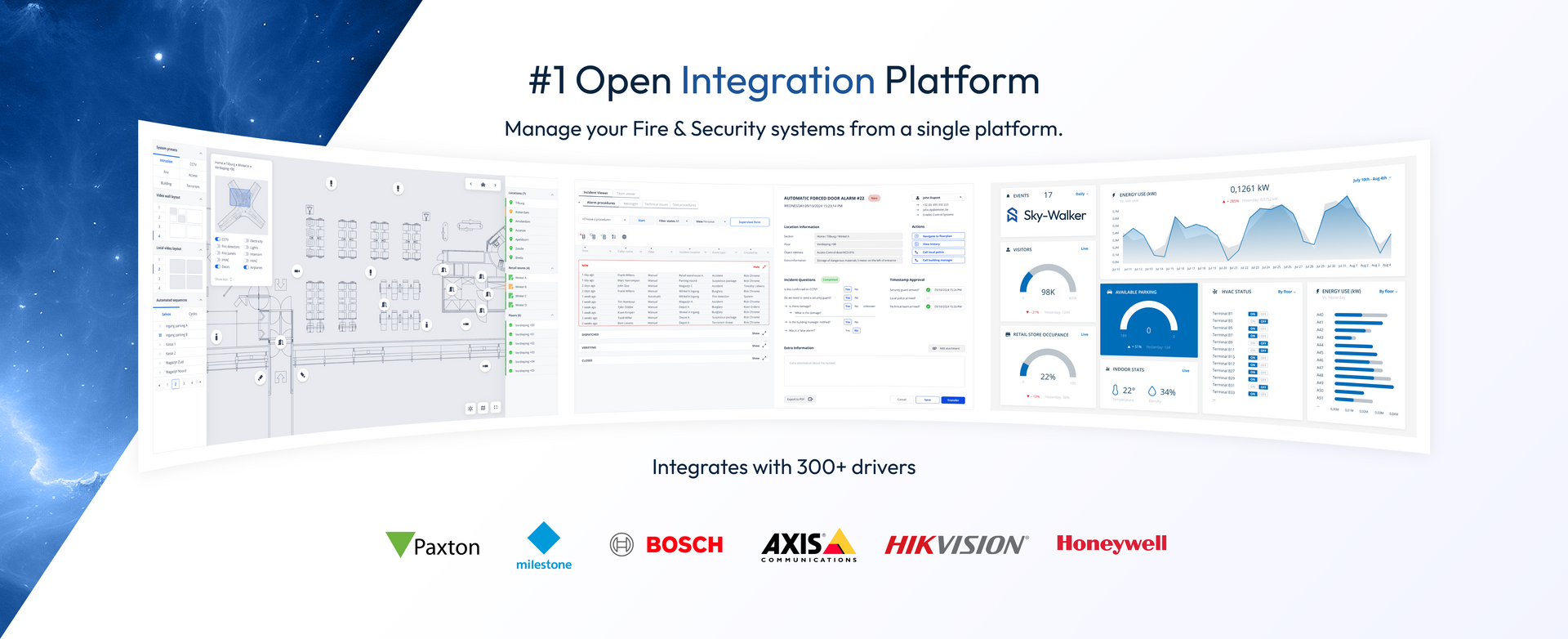
Entelec's Sky-Walker Open Integration Platform is designed to bring disparate fire and safety systems together, creating a truly unified emergency response solution. With over 300 existing drivers, Sky-Walker can integrate your existing fire detection, fire protection, access control, and other critical systems from various manufacturers. This open architecture protects your current investments while providing the centralized monitoring and automated incident management capabilities essential for rapid, coordinated fire emergency response. By consolidating control, Sky-Walker enhances your team's ability to act decisively, protect occupants, and minimize damage when critical seconds truly count.
Secure Your Facility's Future with Integrated Fire Safety
The complexity of modern facilities demands more than isolated fire alarms; it requires a proactive, integrated approach to emergency management. By unifying your fire safety infrastructure, you can enhance situational awareness, streamline operations, and ensure a rapid, coordinated response that safeguards lives and assets. Explore how a platform like Sky-Walker can transform your fire emergency preparedness and secure a safer future for your organization.
Ready to enhance your fire emergency response capabilities? Request a live demo of the Sky-Walker Open Integration Platform today.
Other blog posts


From Detection to Resolution: How Integrated Incident Management Platforms Elevate Security Response